
Summer Shivers Tombs and Tales
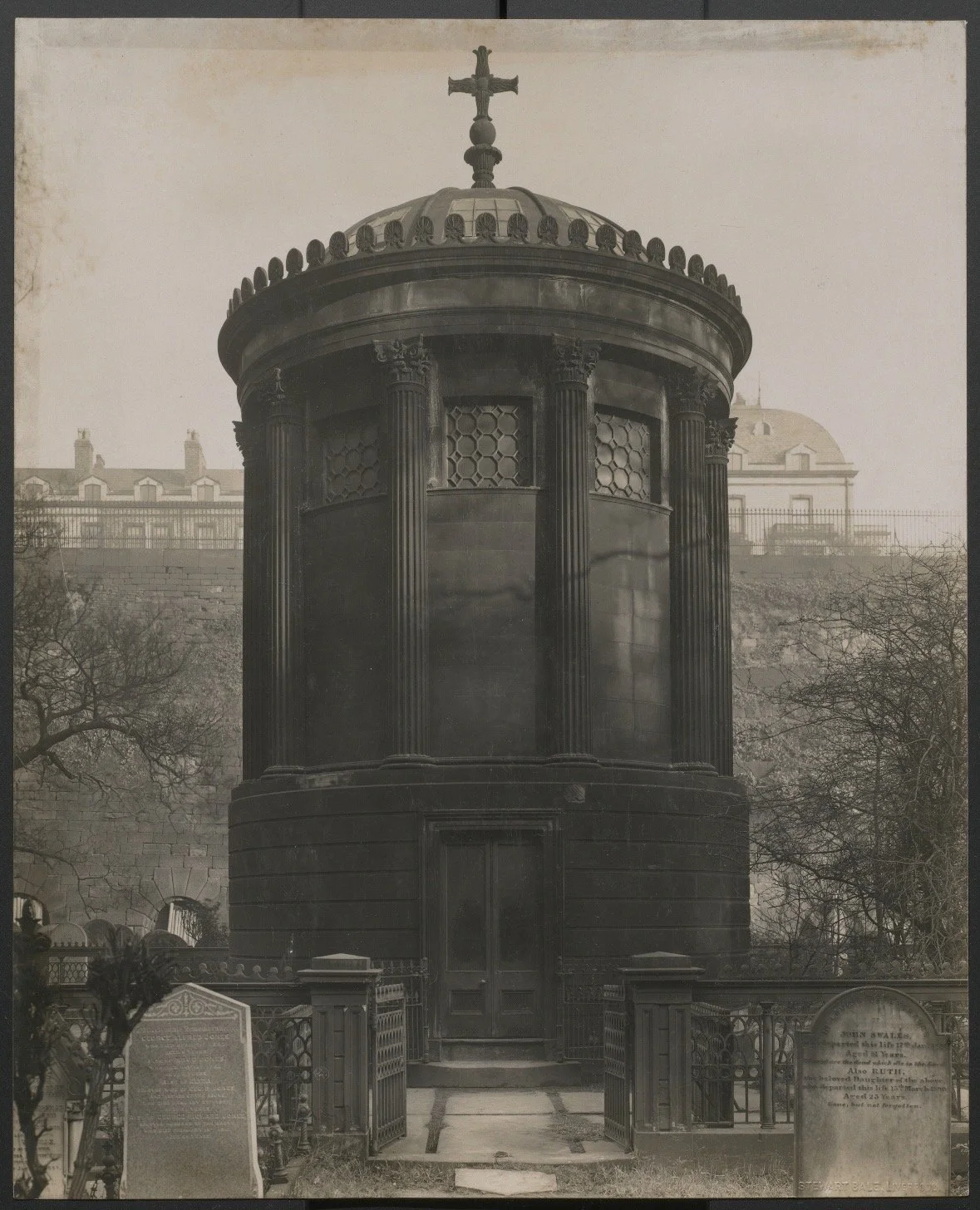
To celebrate our Summer Special Day-Time dives into St James’ Cemetery Garden Liverpool, for this blog we’re focusing in on one of Liverpool’s most distinctive memorials that belongs to William Huskisson -and its design is absolutely dripping in classical drama.
William Huskisson is best known for the way he met his death in Sept 1830 - being the first recorded railway fatality in history -a tragedy that unfurled at the trials of the grand opening of the Liverpool - Manchester Railway- the first passenger railway in the world!
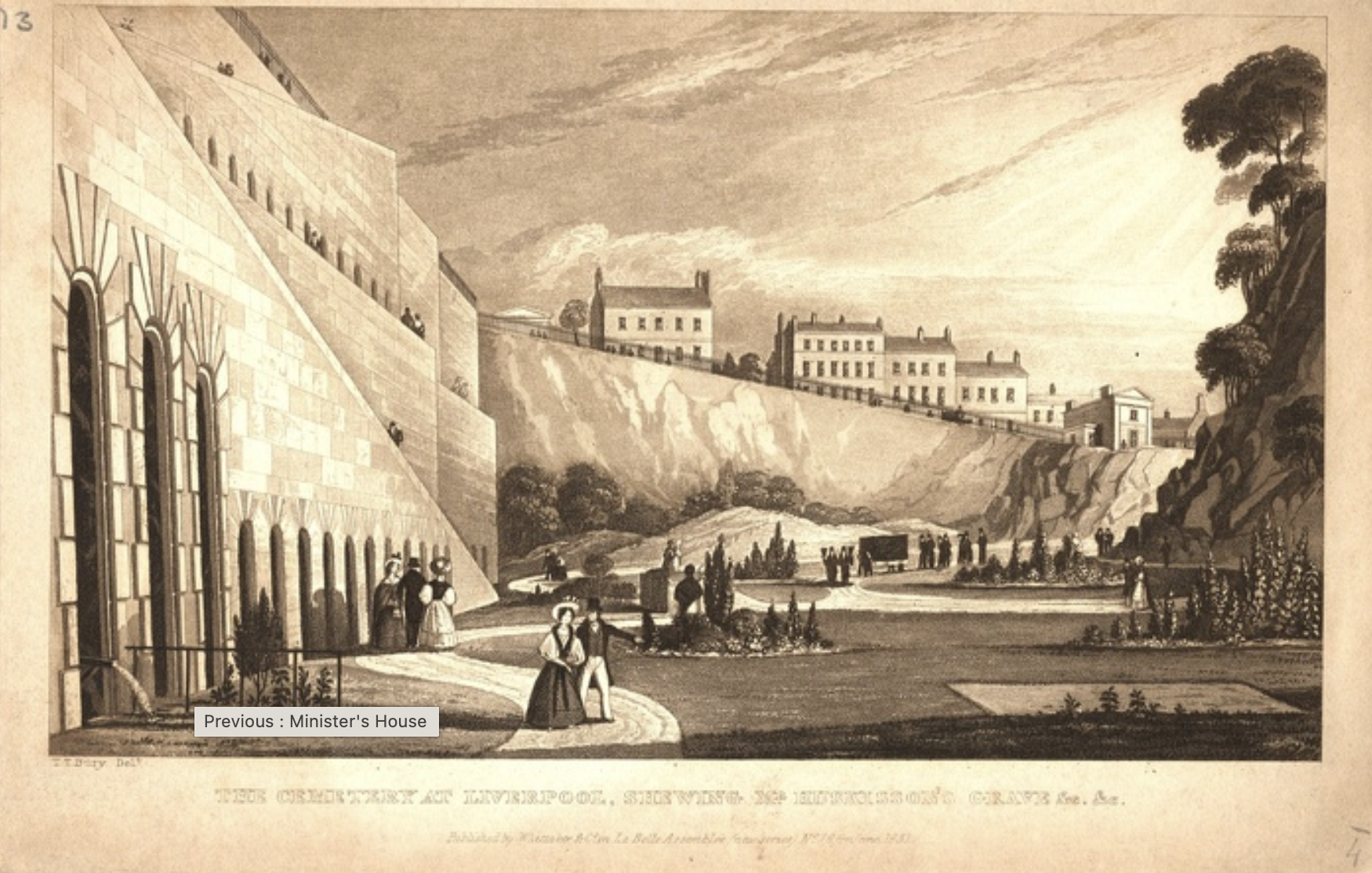
One week later, Huskisson’s funeral procession left Liverpool Town Hall. It moved through streets lined with tens of thousands of spectators before reaching Duke Street around midday. Around 3,000 tickets were issued for admission to the cemetery during the funeral.
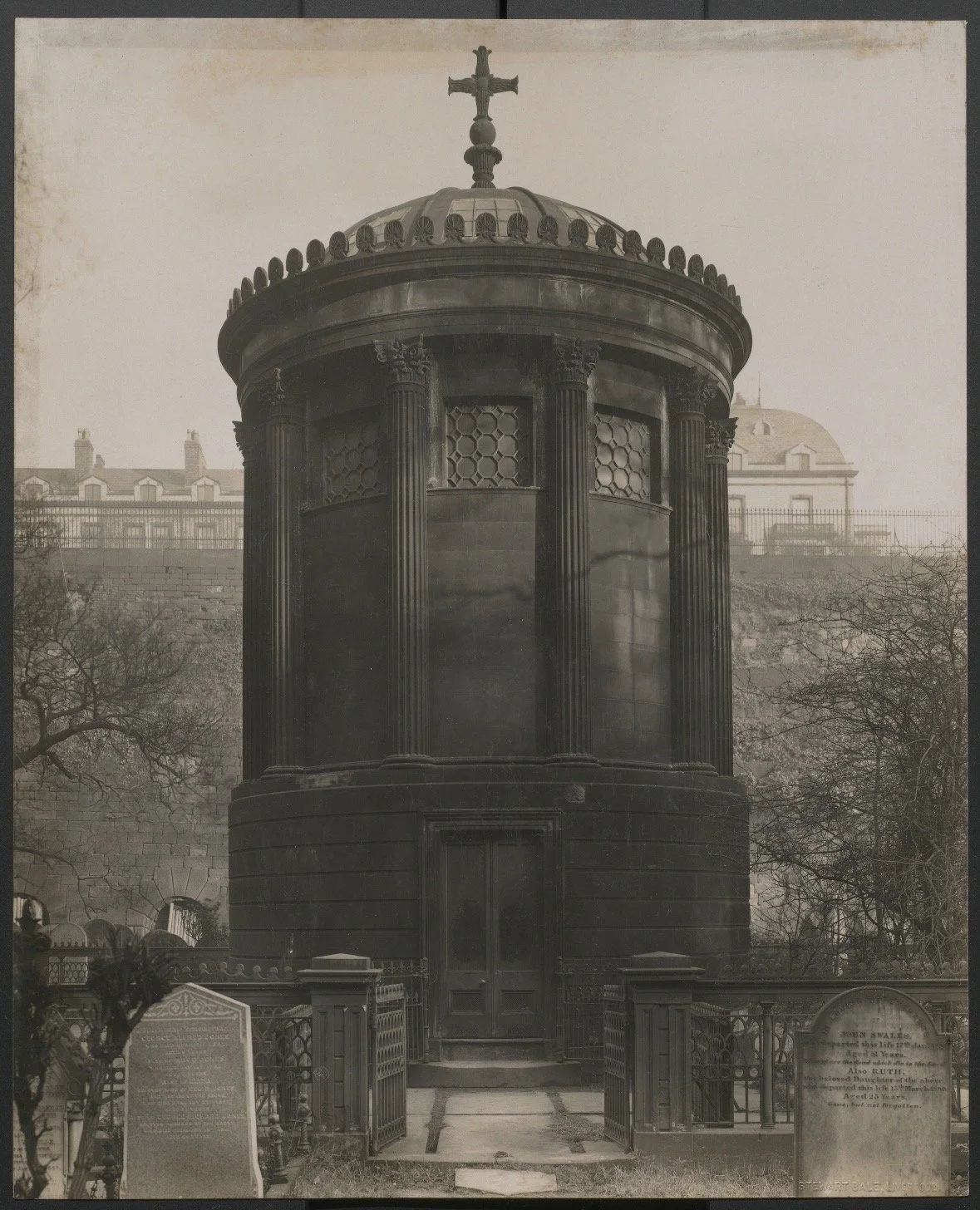
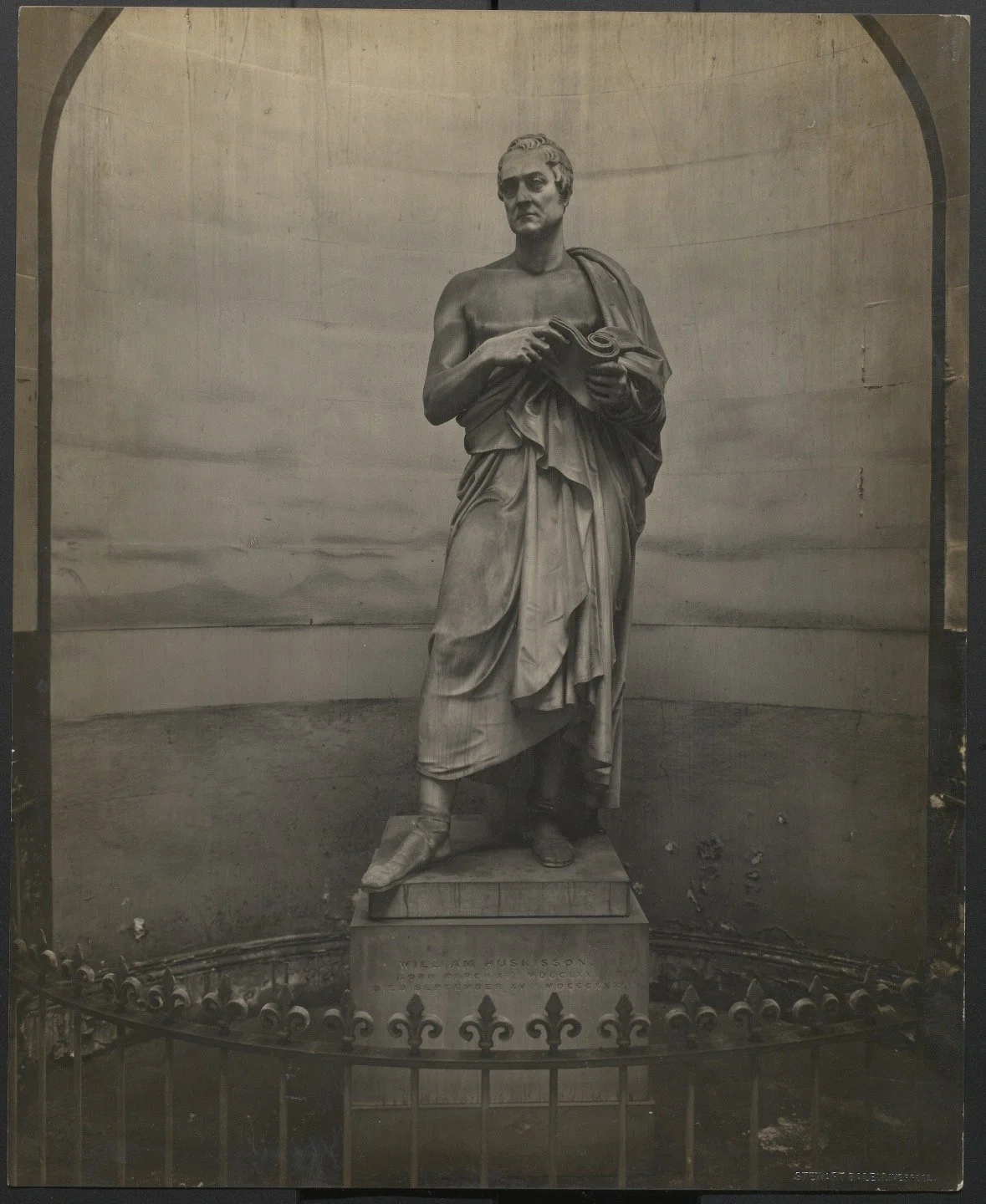
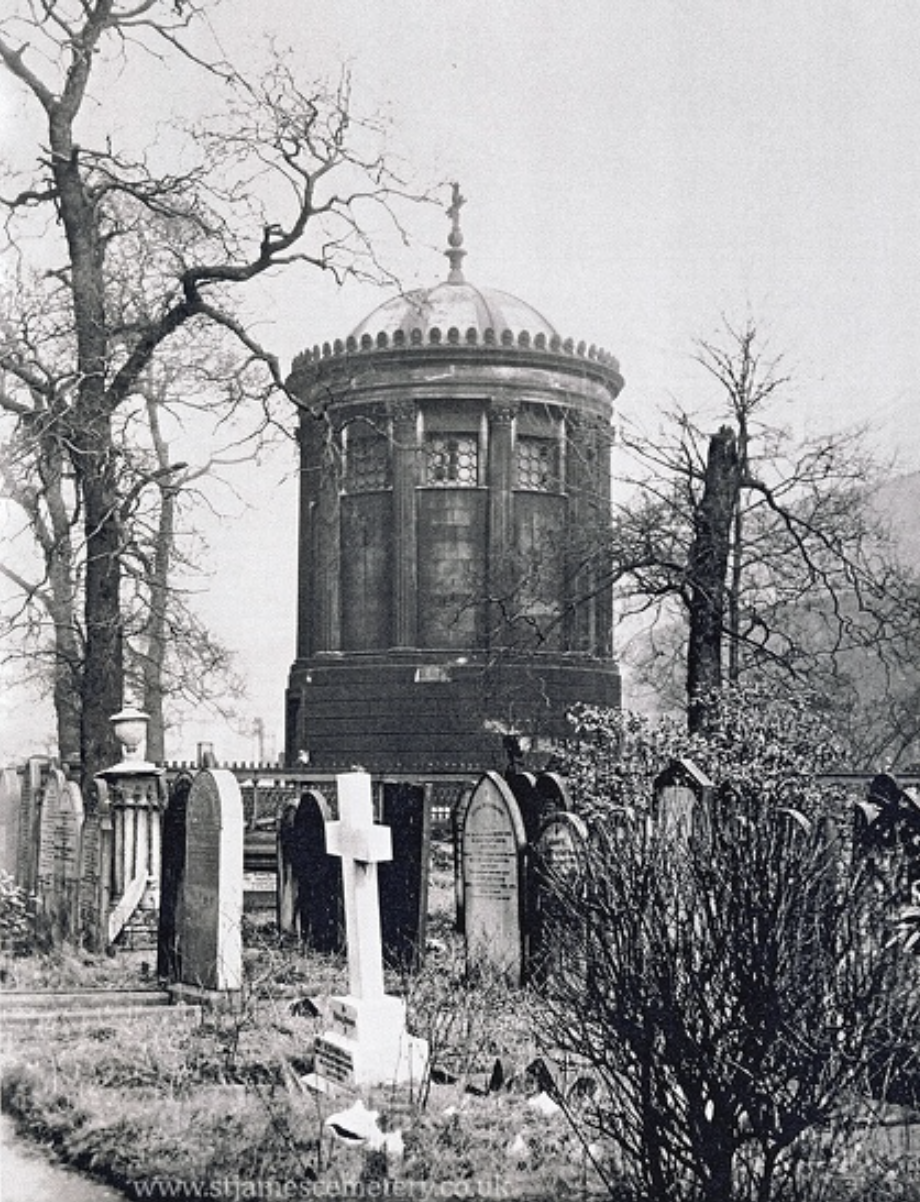
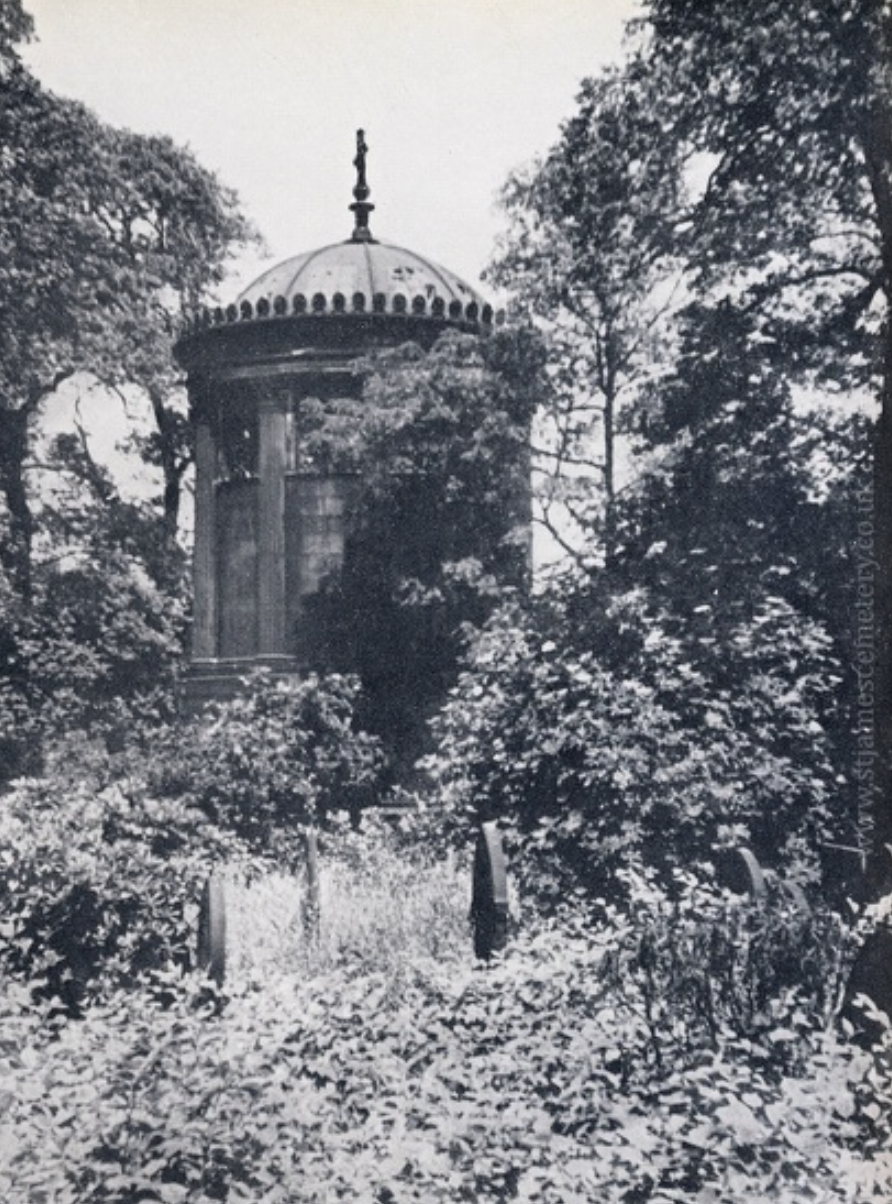
(Images taken in 1924 by Stewart Bale Photography- Images By Courtesy of the University of Liverpool Library - D40/4/11)
Huskisson’s coffin was lowered twelve feet into the earth in an iron coffin…
Some years after his burial his monument was completed. Designed by John Foster Jr., the same architect who landscaped St James’ Cemetery itself and the Oratory, (the solemn funerary temple looking down over this great green lung of the city.) Foster’s hand shaped some of the city’s most significant public structures. He’s actually buried next to Huskisson- talk about being buried in your work!
Foster’s design was based on the Choragic Monument of Lysicrates part of that ‘Greek Revival’ obsession sweeping through British architecture in the nineteenth century.
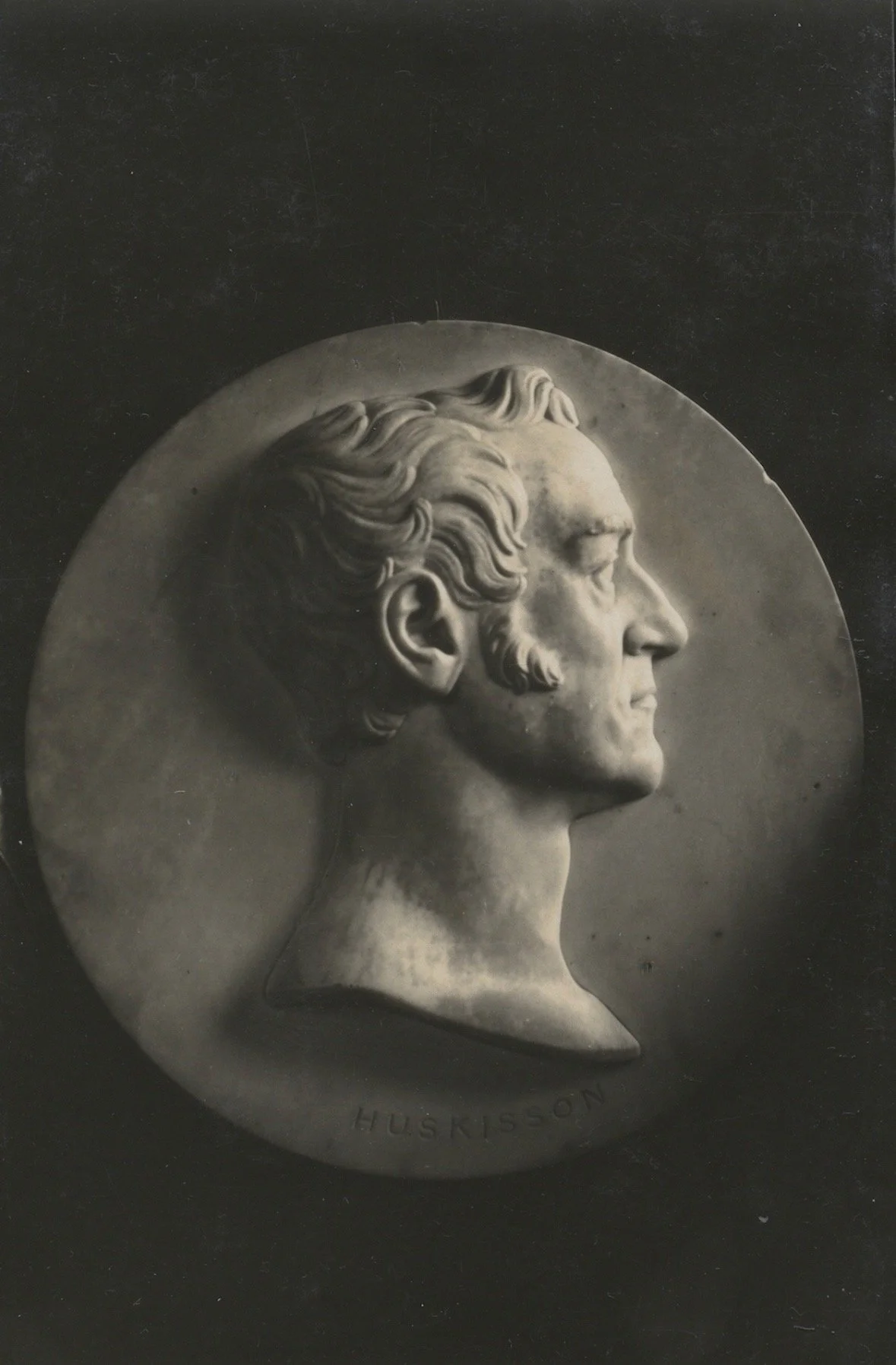
Originally, it enclosed a marble statue of Huskisson by John Gibson, making it the only 19th century cemetery memorial in Liverpool to contain such a sculpture. It was later taken into storage and is in the care of NML.
But of course, there was controversy.
A public subscription had raised nearly £3,000 for the memorial, and many subscribers expected the statue to be visible as a public monument. Instead, Gibson’s marble Huskisson was placed inside the mausoleum, where it was difficult to see.
And then there was the outfit….
Gibson showed Huskisson in classical dress, standing in a Roman toga with one arm and shoulder exposed, unrolling a scroll. It was high Neoclassical pomp but perhaps a slightly strange look for a modern Liverpool MP and railway-age figure…
If you’d like to get up close to some of Liverpool’s hidden histories and secret stories, join Shiverpool for Fun Frights & City Sights this Summer!
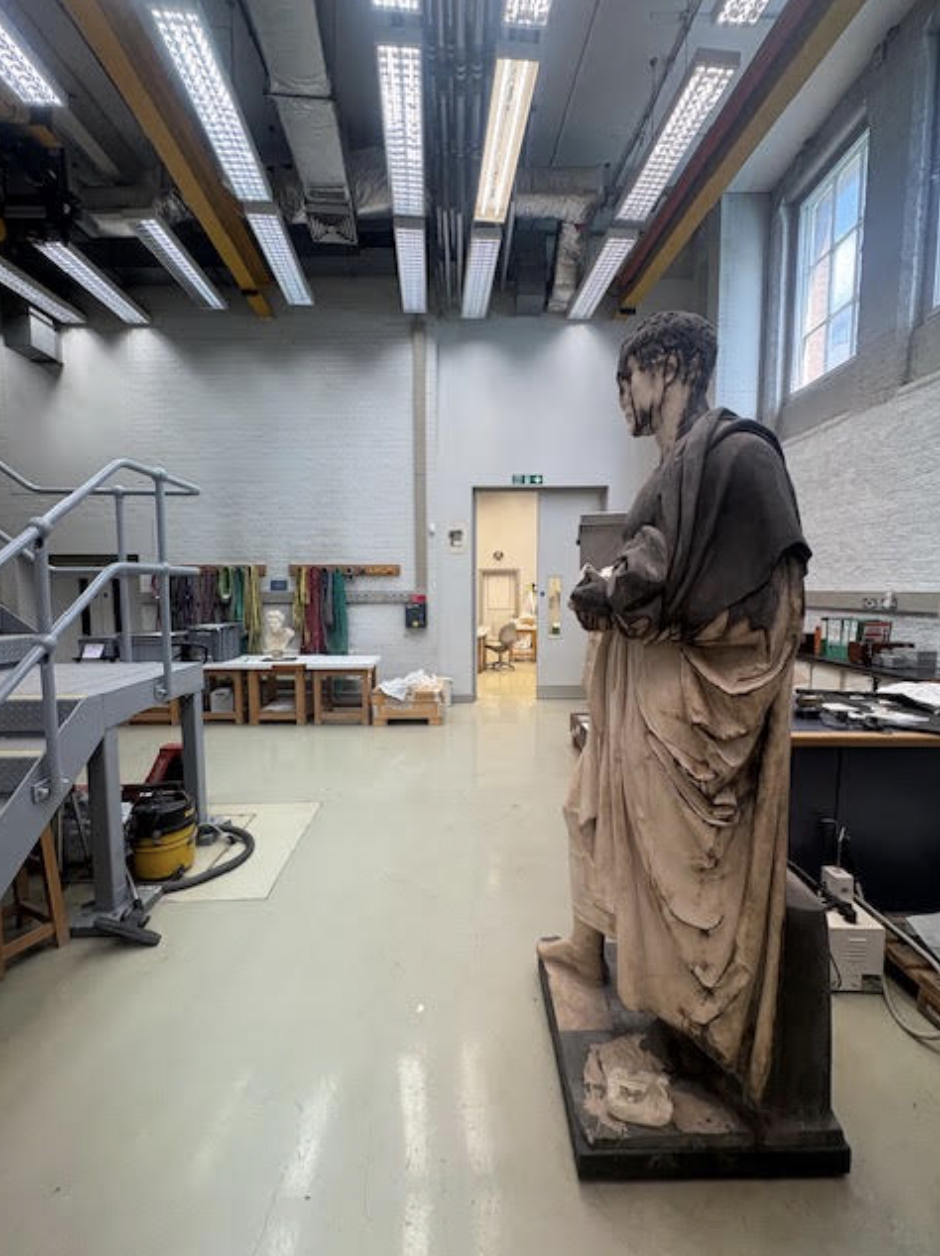
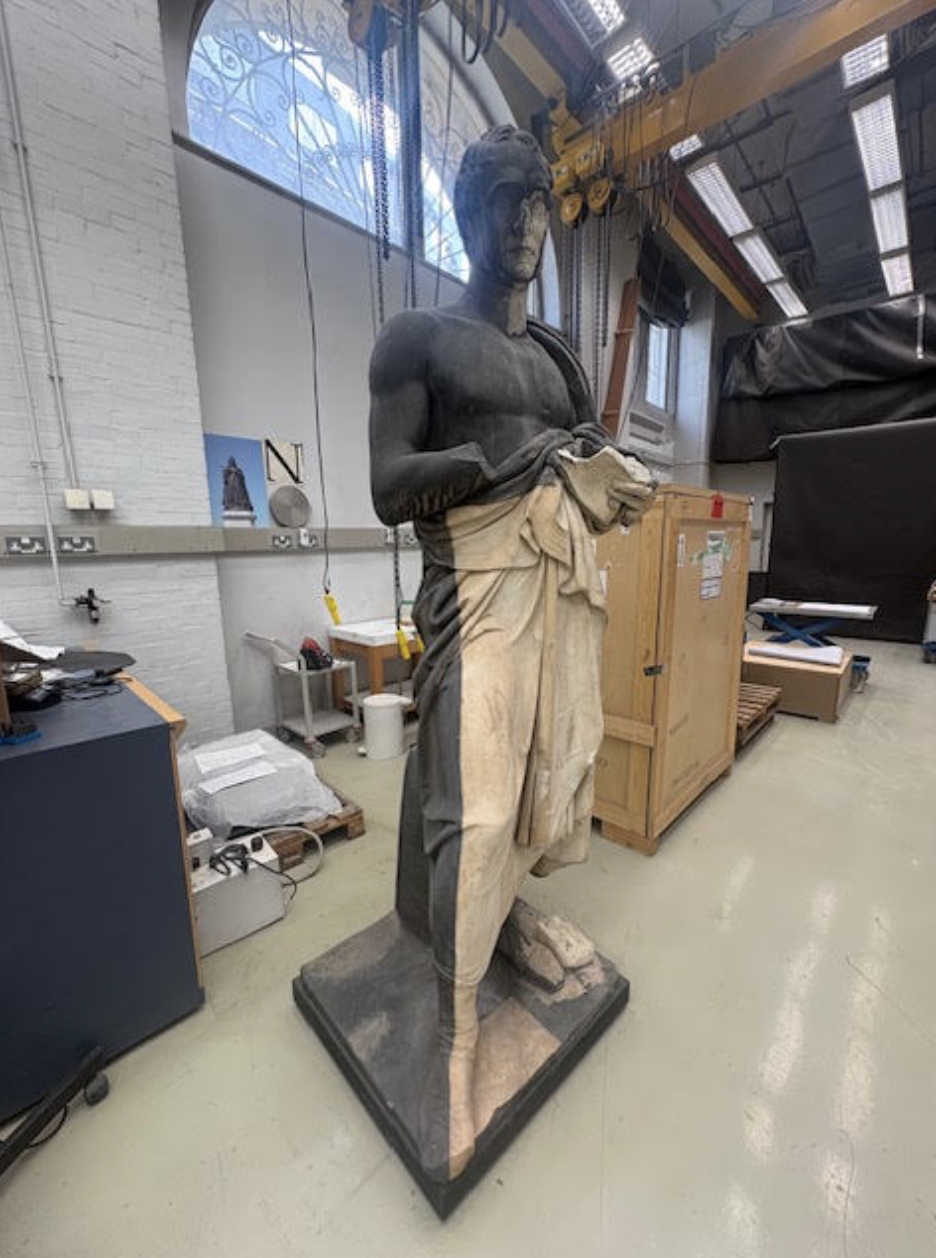
With thanks to Sandra Penketh and Lottie Barnden at National Museums Liverpool for providing access to view Huskisson’s original sculpture, and to University of Liverpool Special Collections & Archives for granting permission to reproduce the photographs above.
