
The Oratory Revealed
Shiverpool Steps Inside a Liverpool Treasure
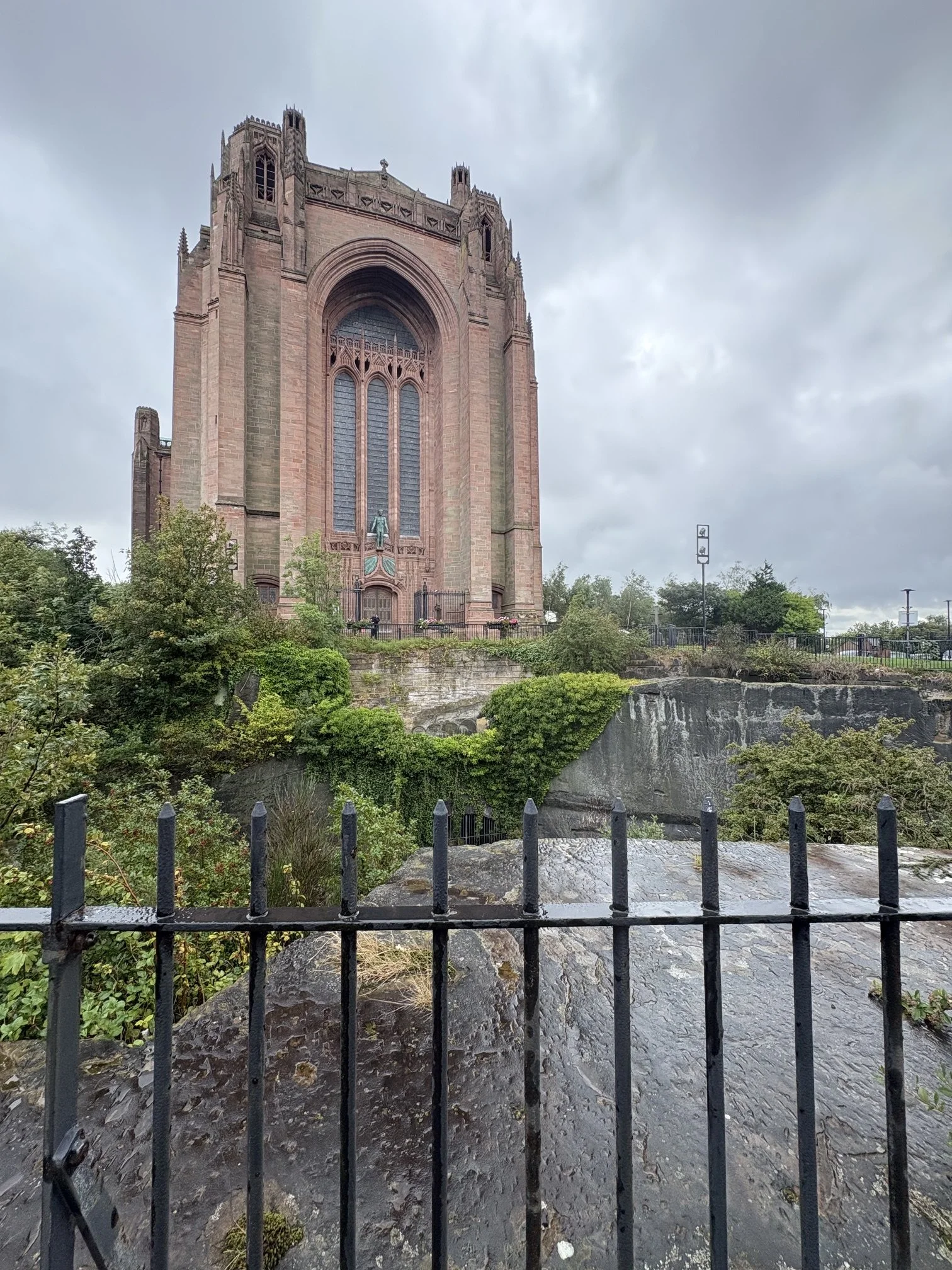
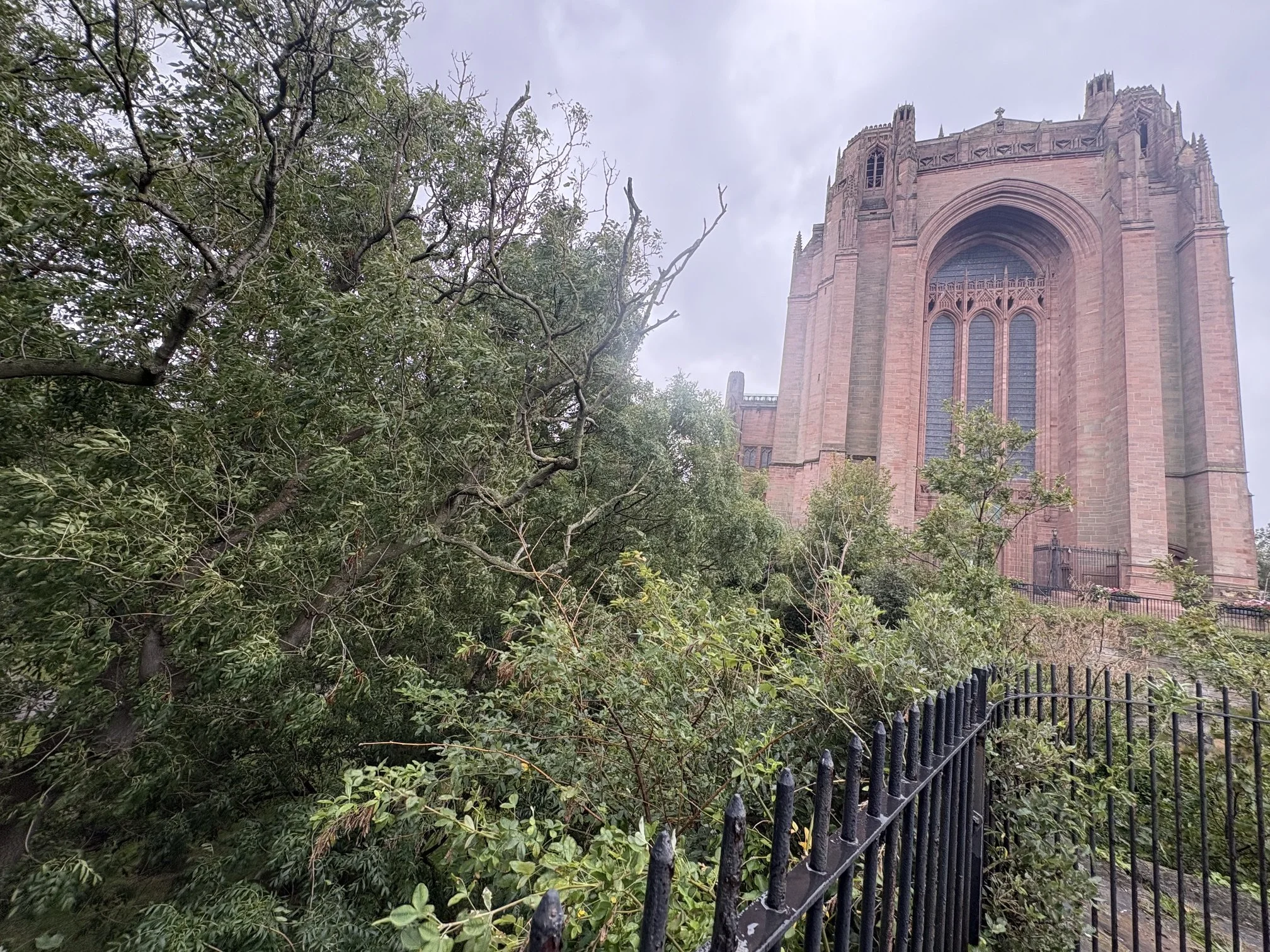
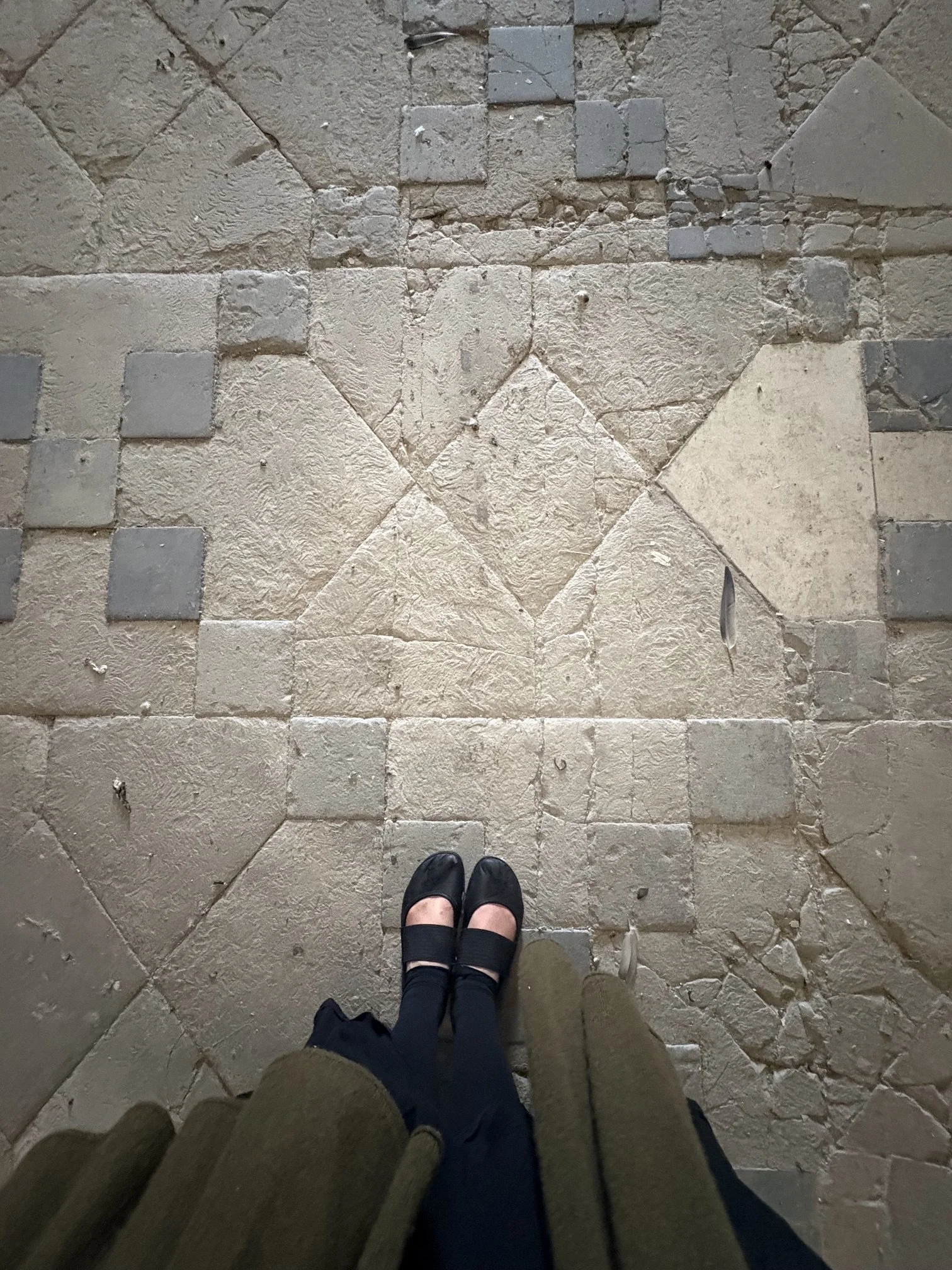
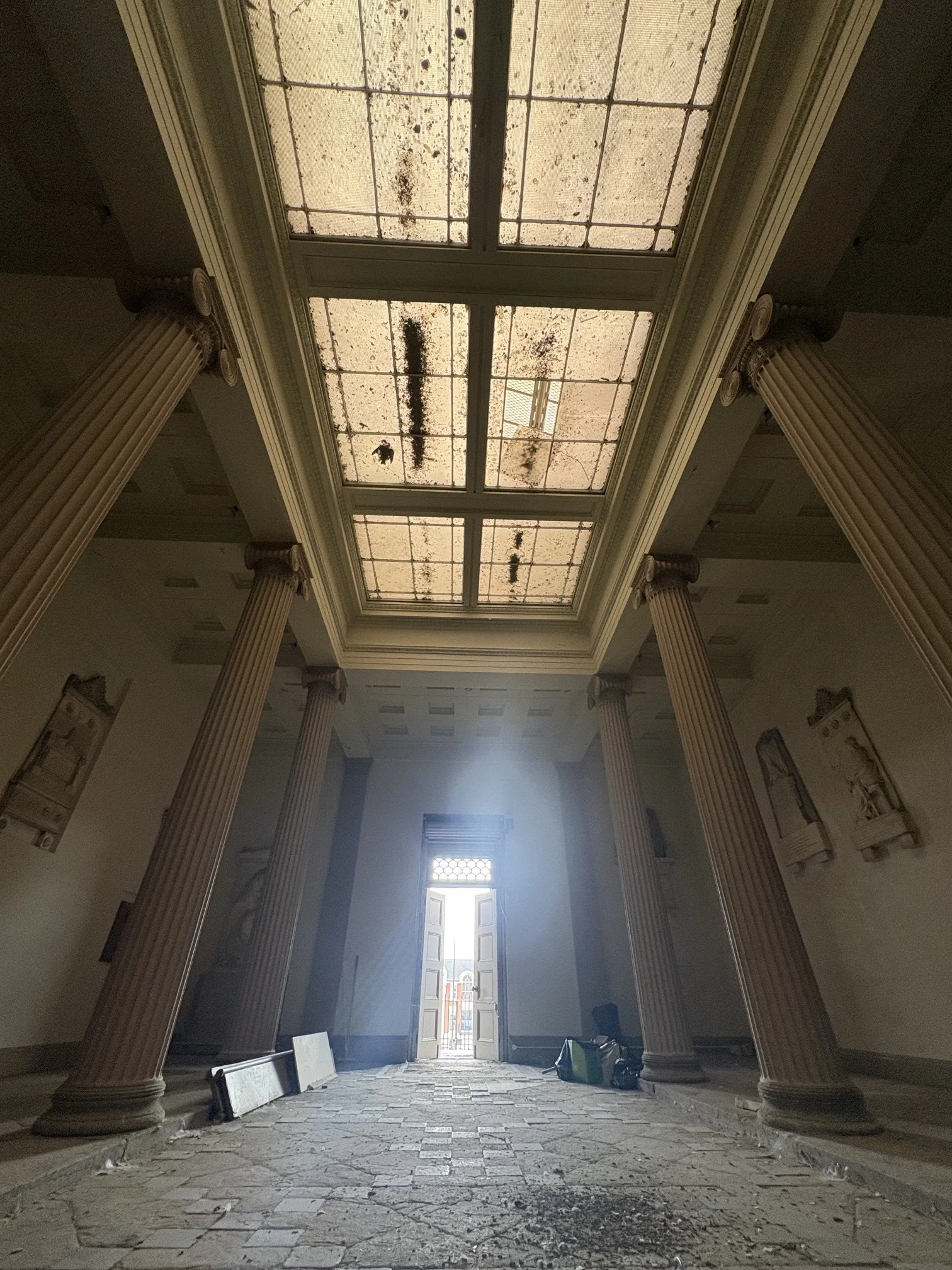
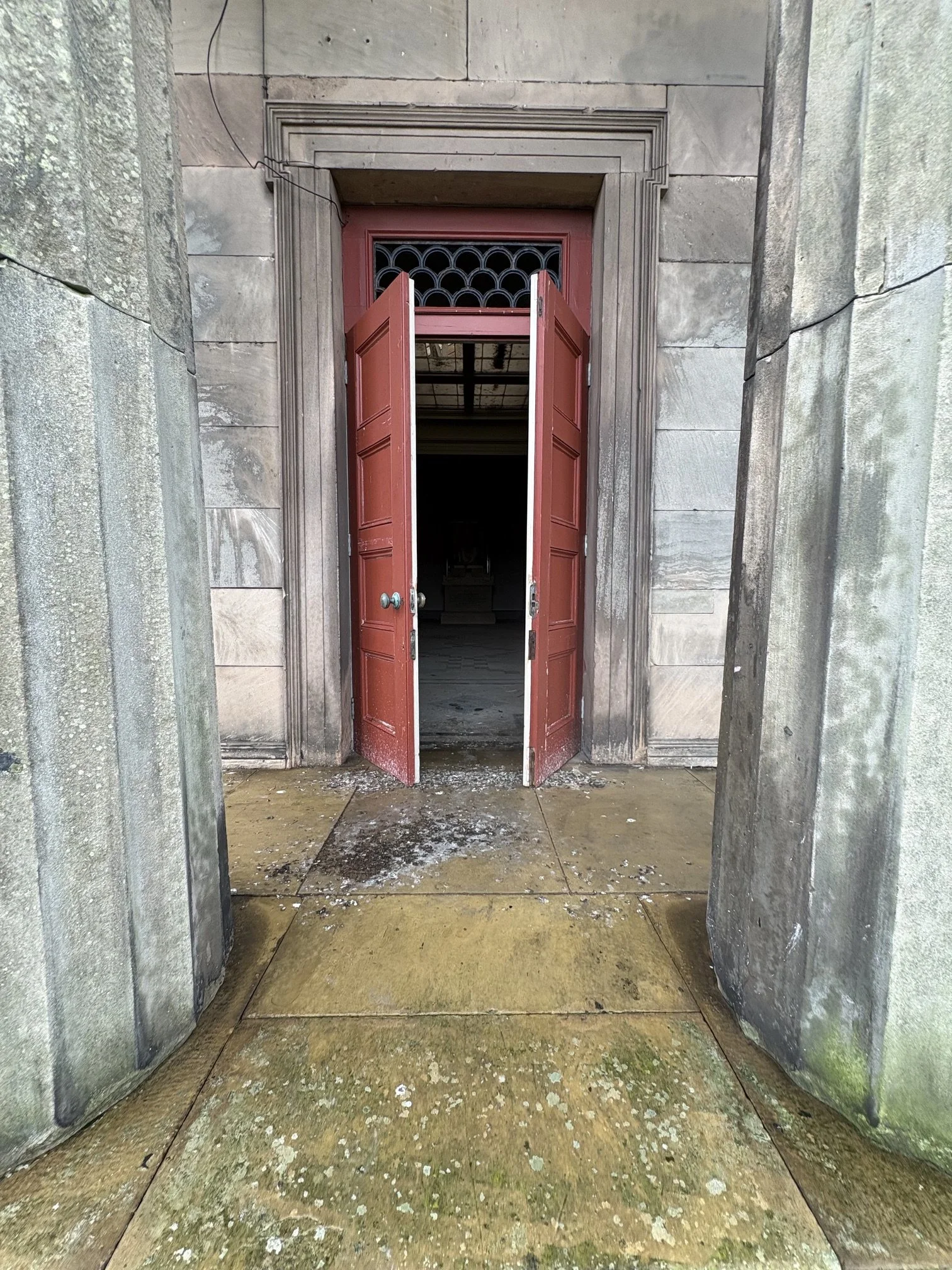
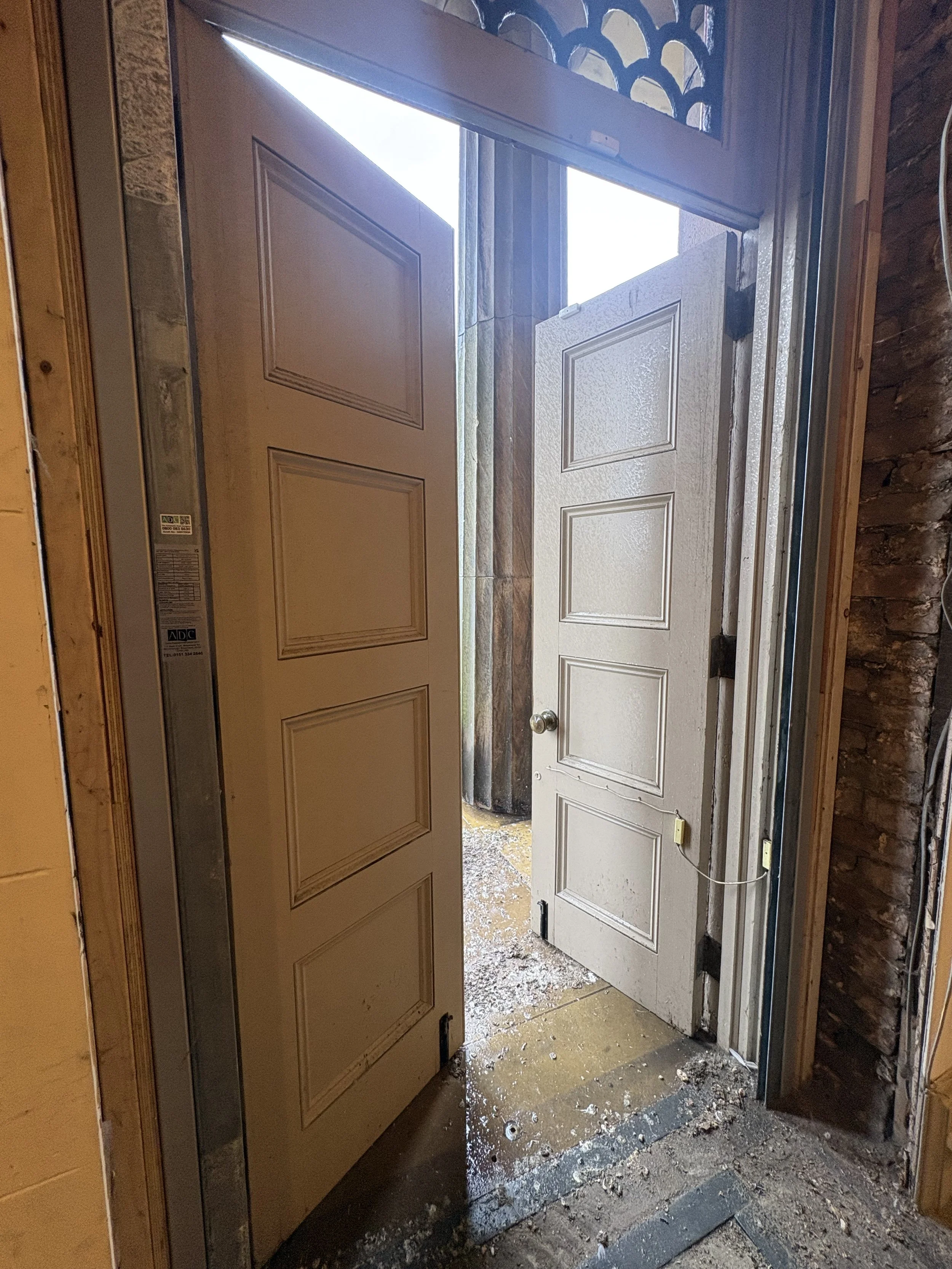
Standing above St James’ Cemetery, beneath the great mass of Liverpool Cathedral, The Oratory has long been one of the most distinctive buildings in this extraordinary historic landscape. Last week Shiverpool stepped inside for the first time after many years and took a private peep inside this venerable mass of stone…
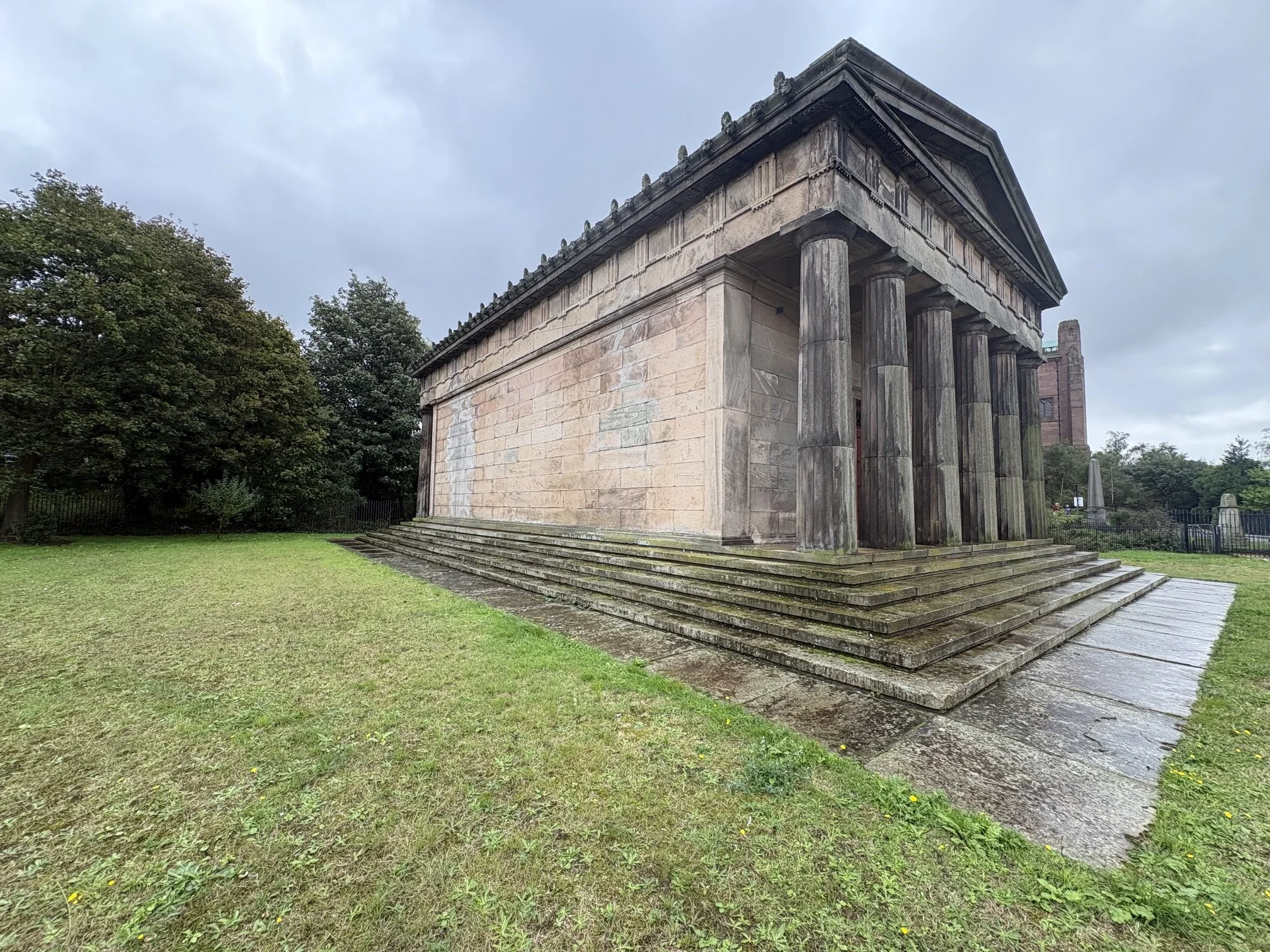
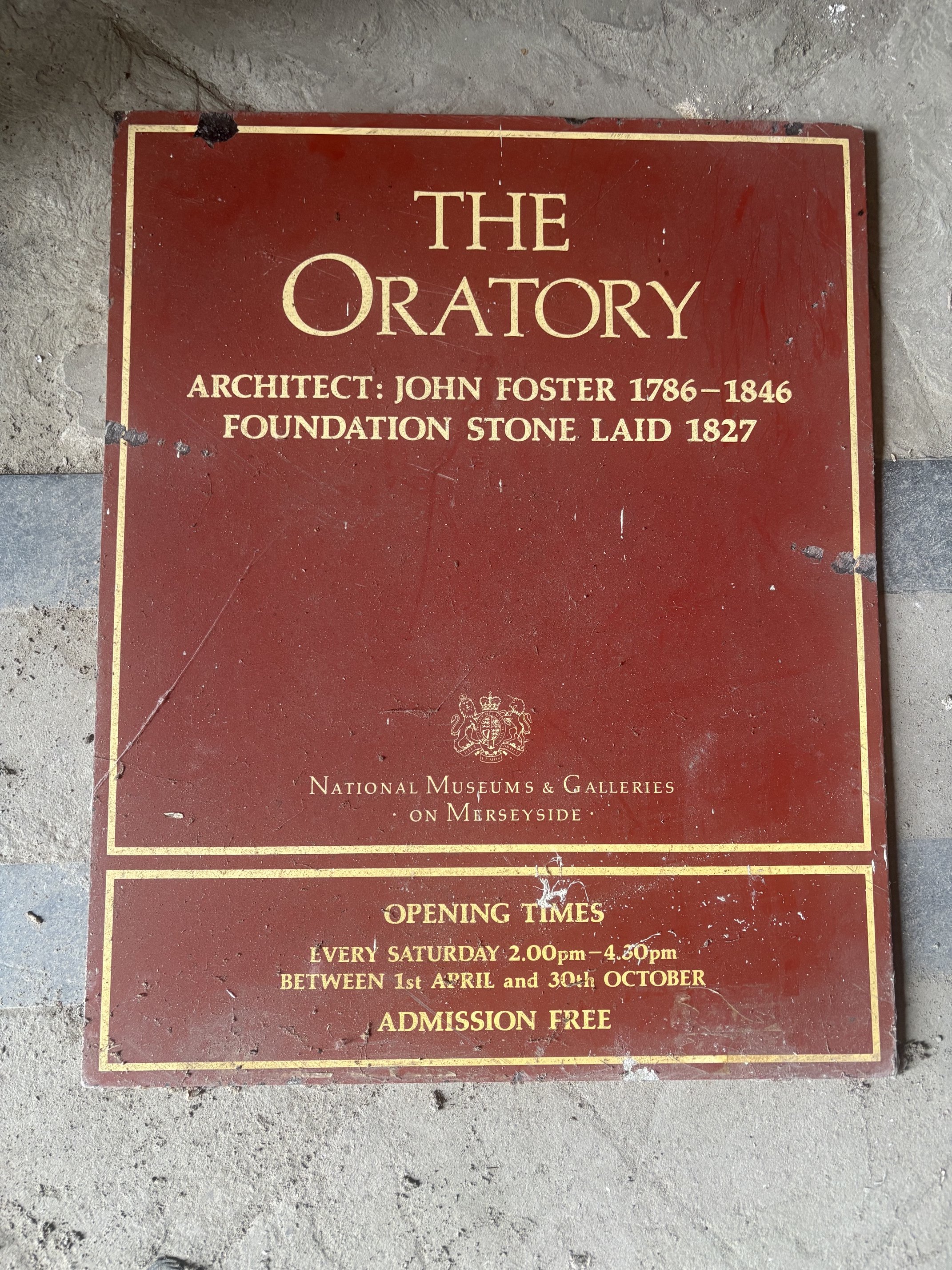
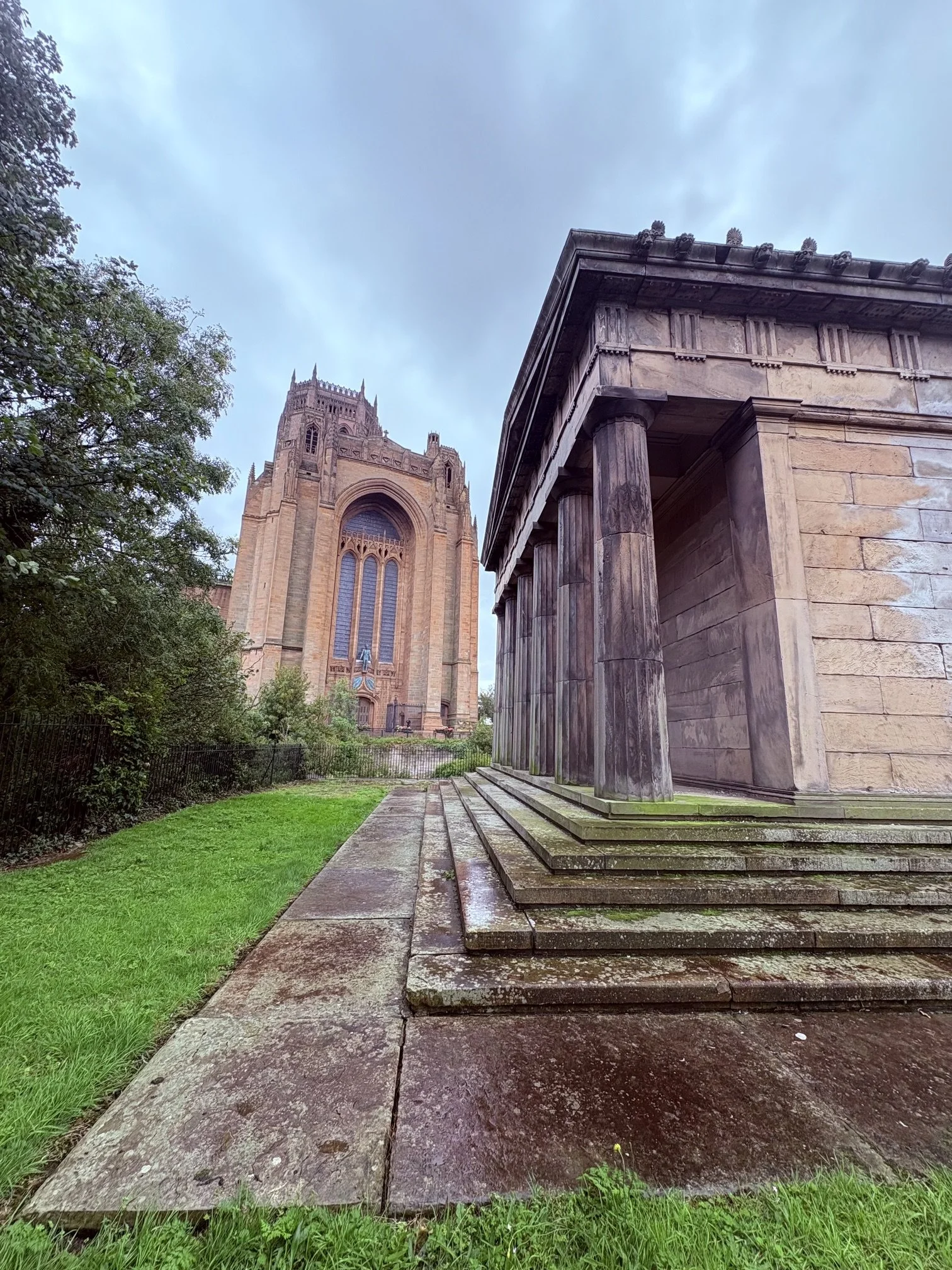
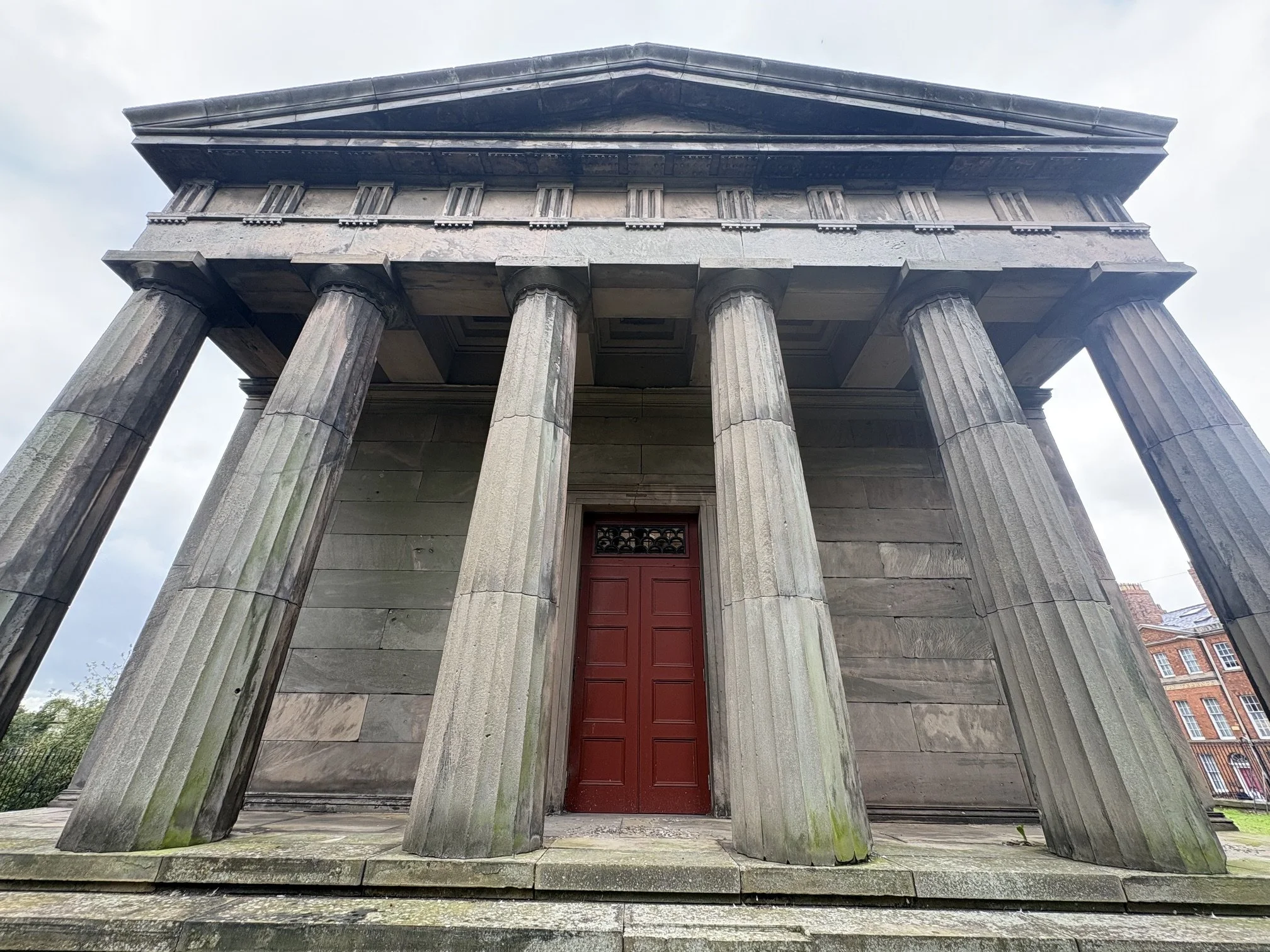
Completed in 1829, it was designed by Liverpool architect John Foster Junior as the funerary chapel for the newly created cemetery below.
At the laying of its foundation stone in September 1827, Jonathan Brooks, Rector of Liverpool, described the building that was beginning to rise:
“On the spot where we now stand, will soon arise a specimen of the purest era of Grecian art... long to remain a monument no less of the piety of the age that erected it, than of the classical purity of taste in the architect who designed it.”
Brooks spoke of a building that would combine “grandeur, simplicity, and harmony” and draw directly upon the temples of the ancient world.
Opening in 1829, The Oratory was built to accommodate funeral services before burials took place in the cemetery below.
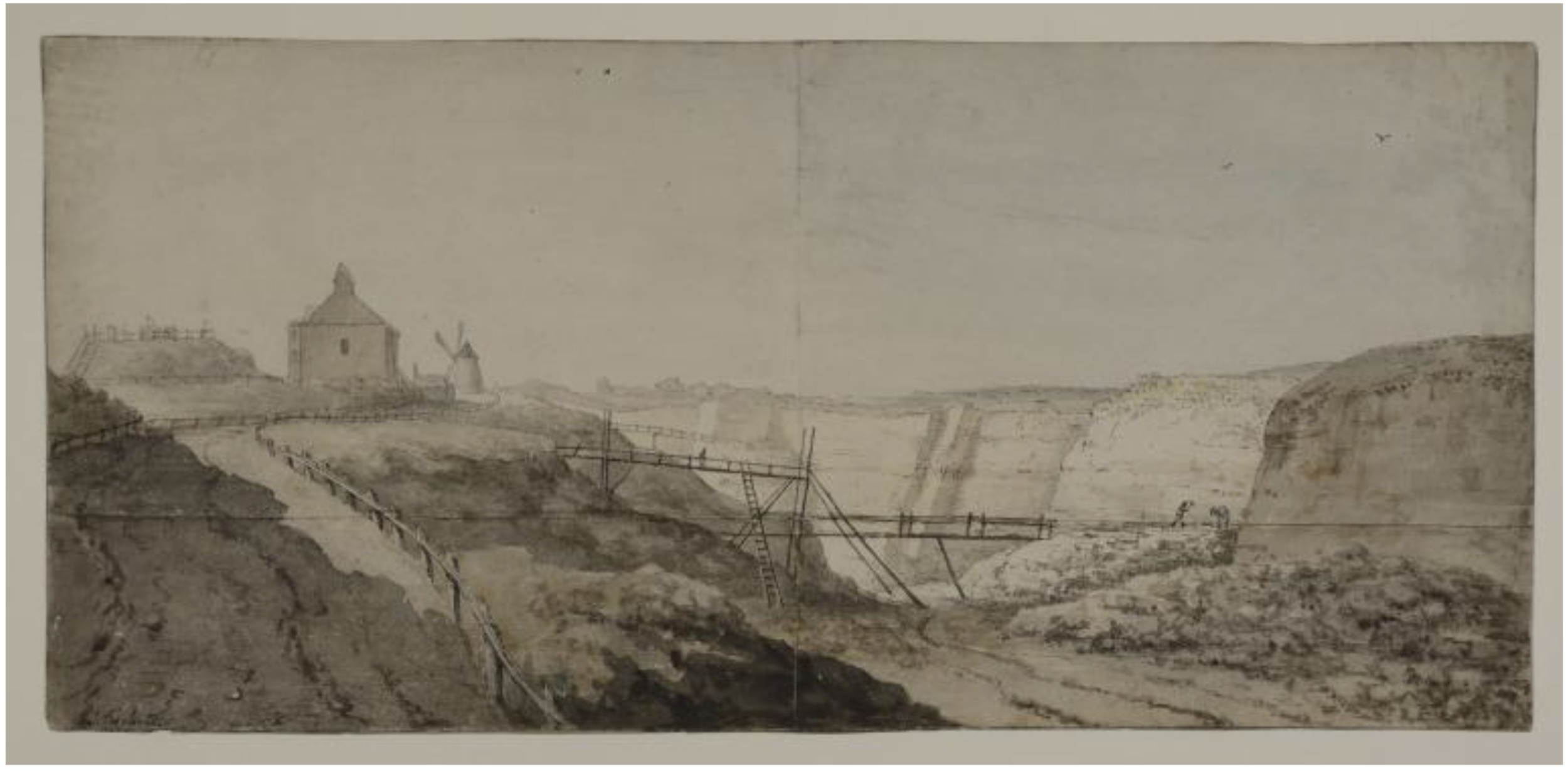
An extraordinary view below of the site from 1772, now in the National Museums Liverpool collection, shows the quarry at Sion Hill decades before St James’ Cemetery existed. Stone was being cut from this landscape while Georgian Liverpool was expanding around it.
Nearly £20,000 was raised by public subscription and architect John Foster Junior was commissioned to transform the former quarry into a cemetery, drawing inspiration from Père Lachaise in Paris.
Foster made the drama of the old quarry part of his design. Paths wound through the landscape, trees were planted and catacombs were cut into the exposed rock face. Broad ramps descended towards the burial ground.
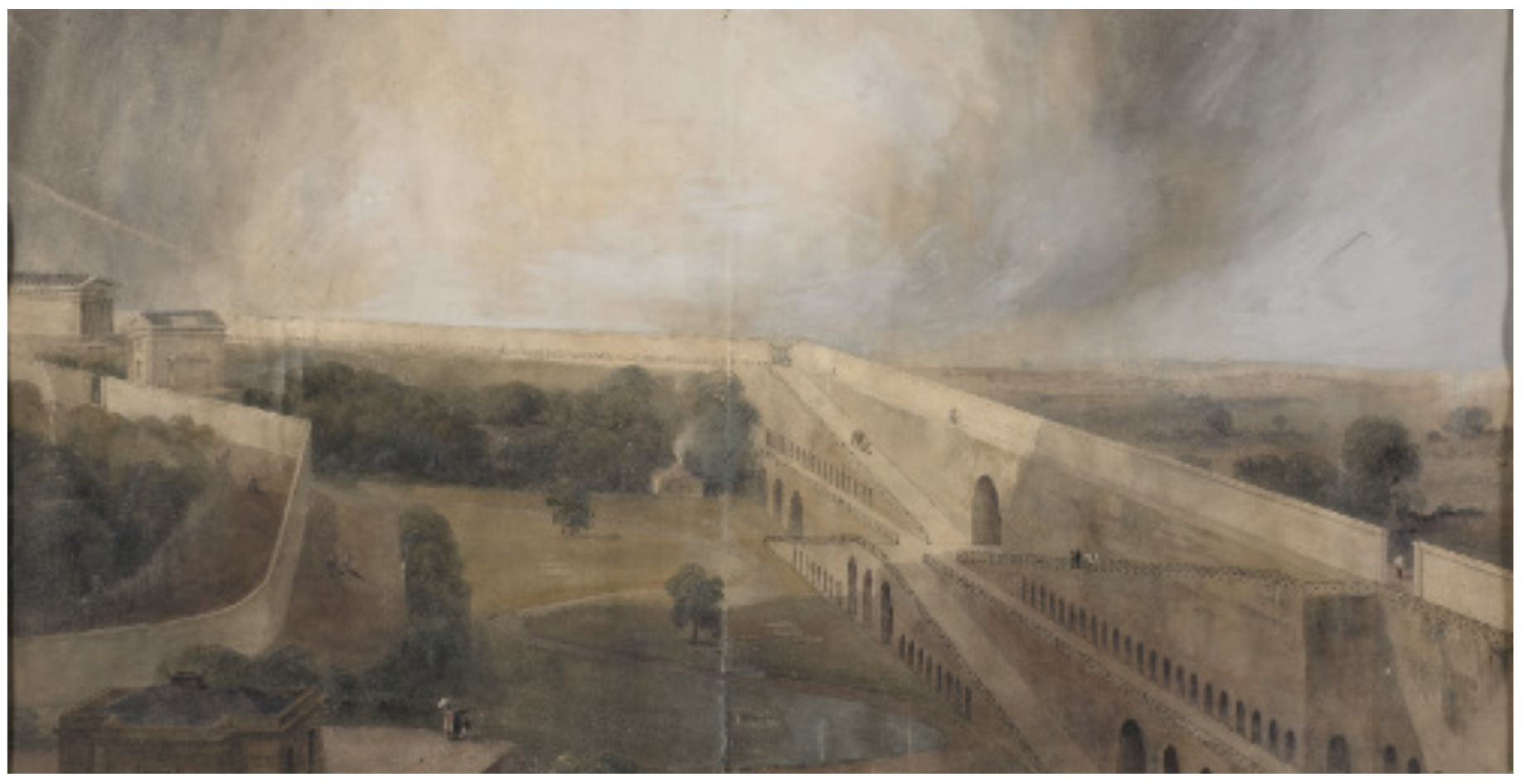
View of the Proposed Layout of St James's Cemetery by John Foster Jr. The Oratory can be seen in the top left.
A Temple Above the City of the Dead
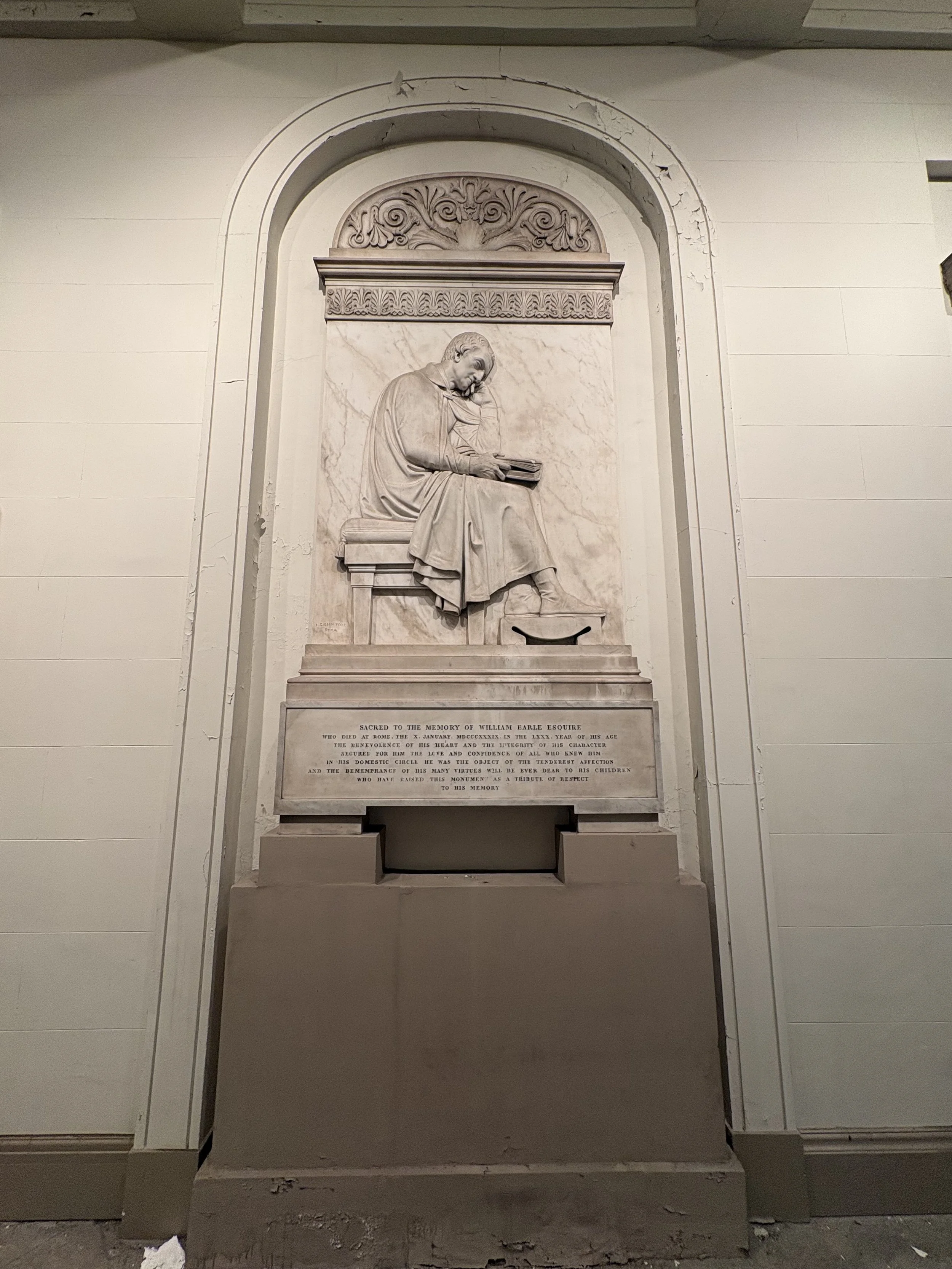
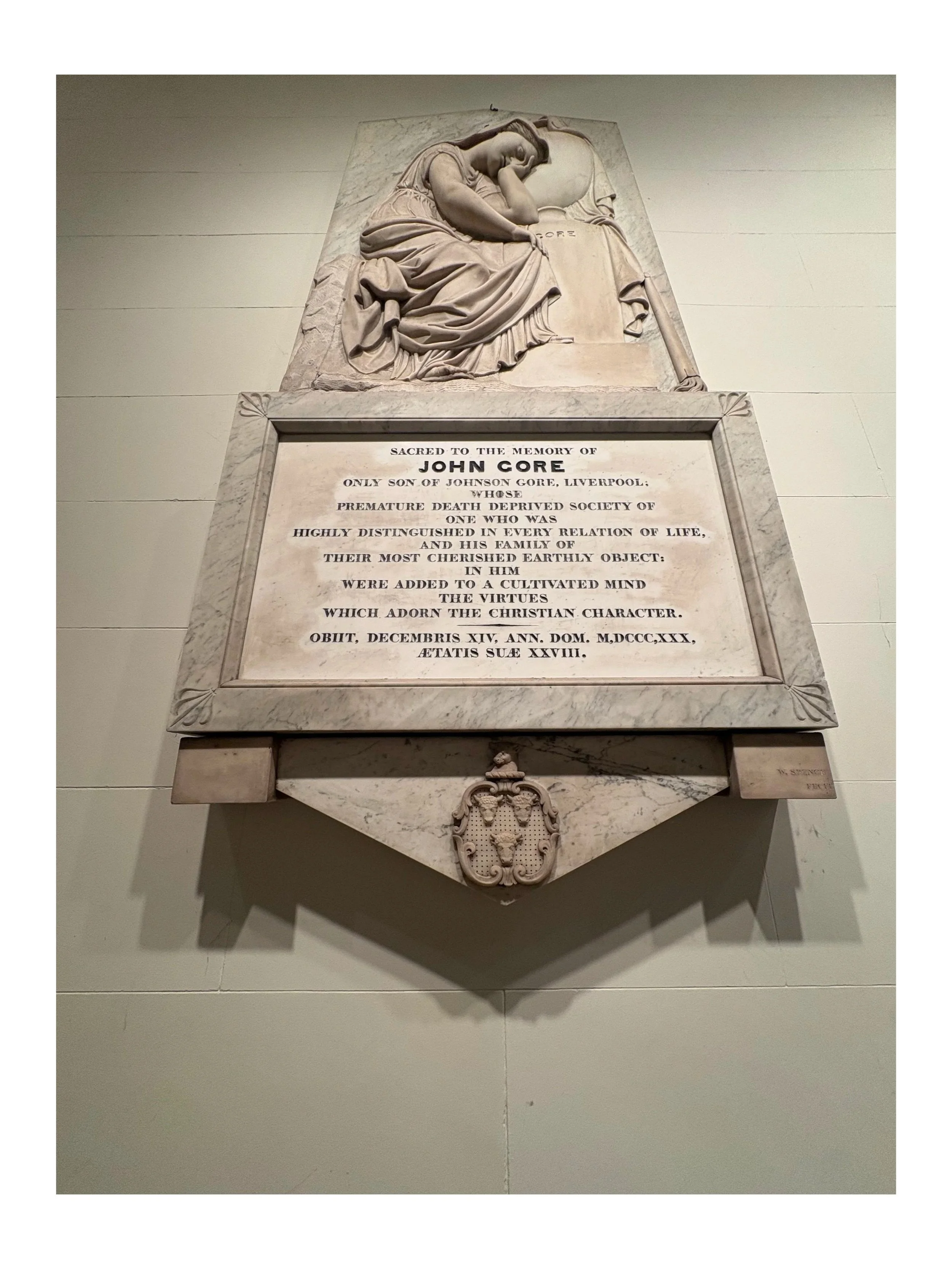
The Oratory is now used to house monuments to the dead, the great and good of Liverpool Life & Strife and is in the care of National Museums Liverpool.
One of the lives remembered here is that of Agnes Elizabeth Jones.
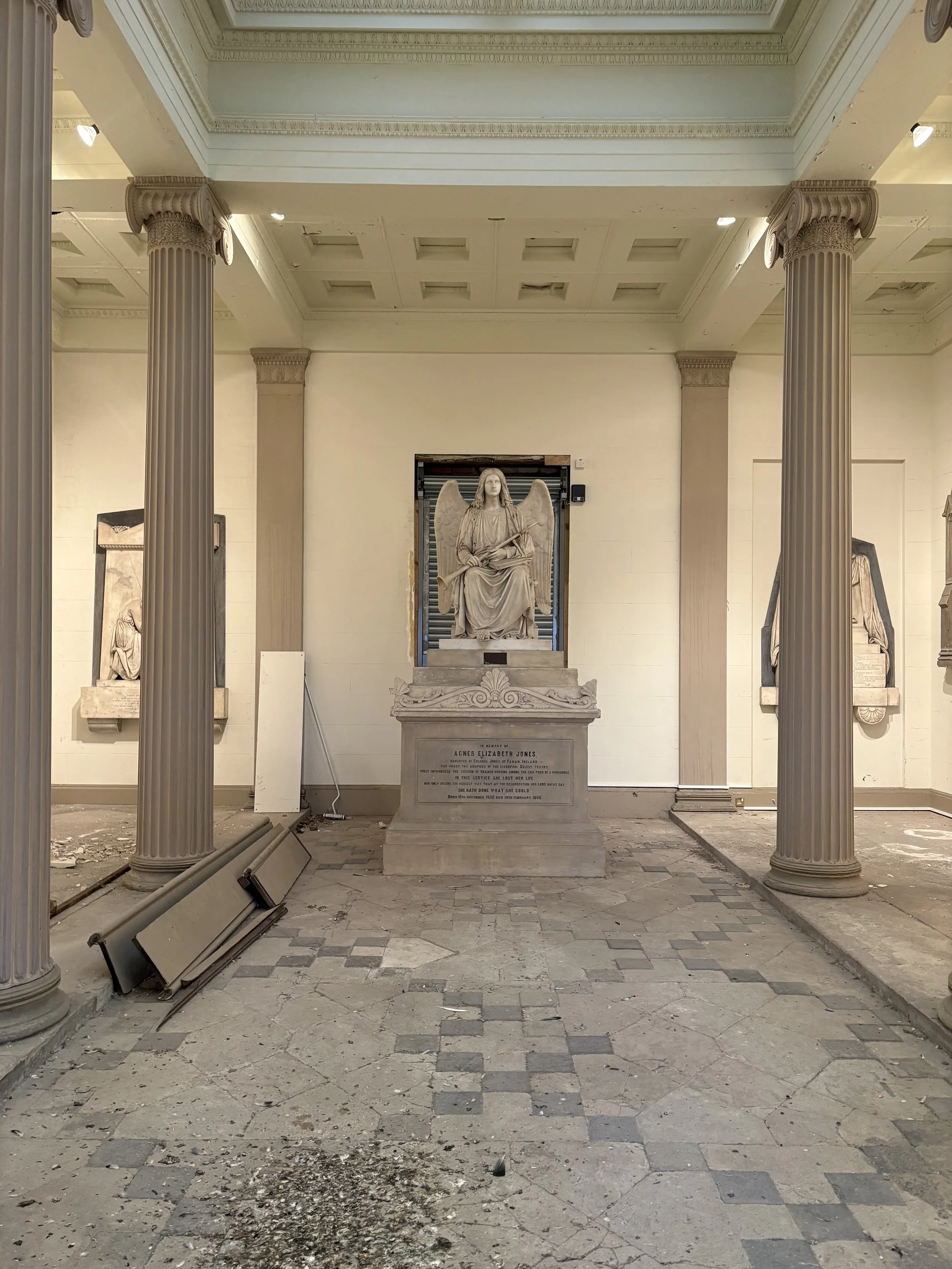
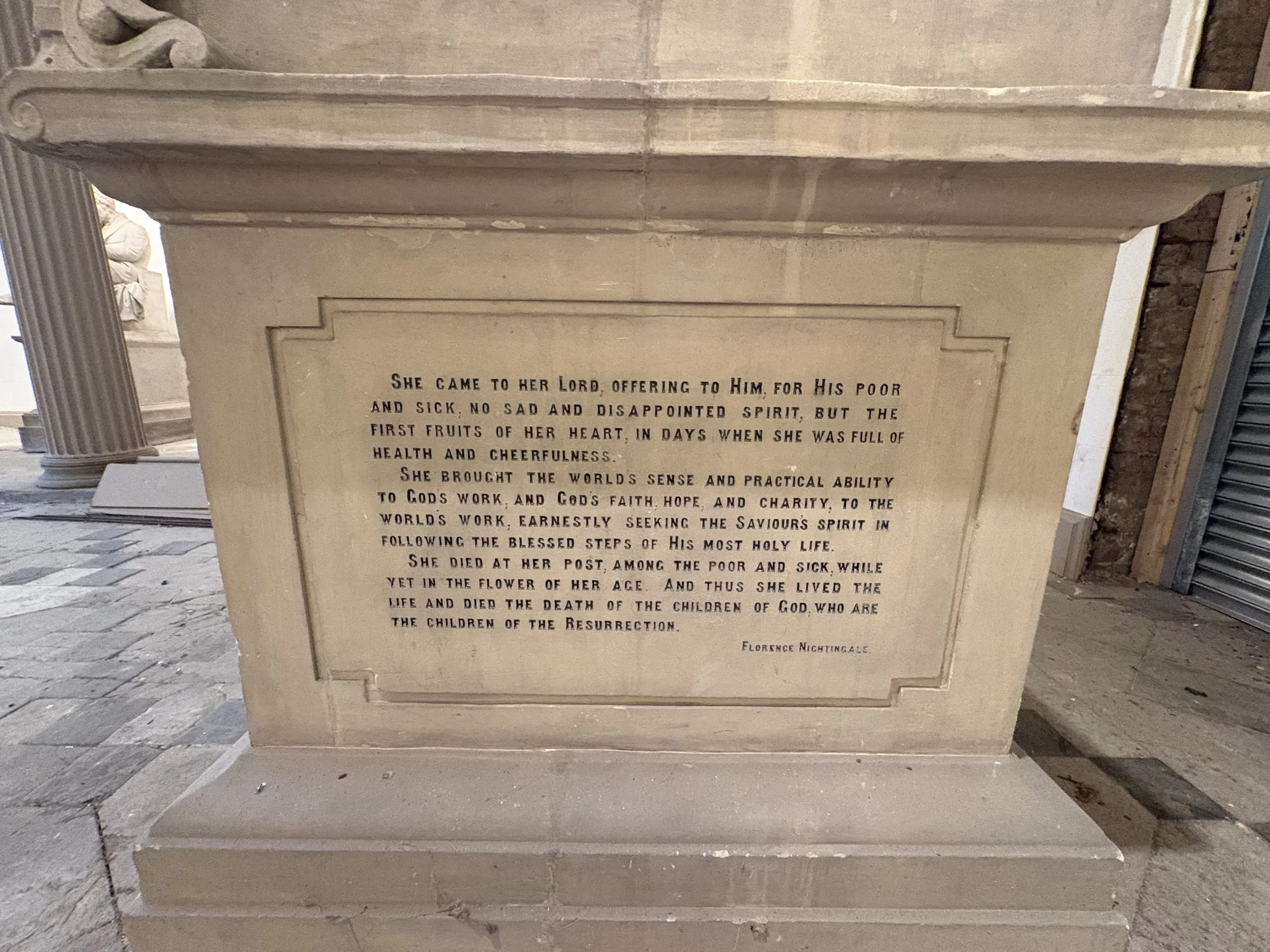
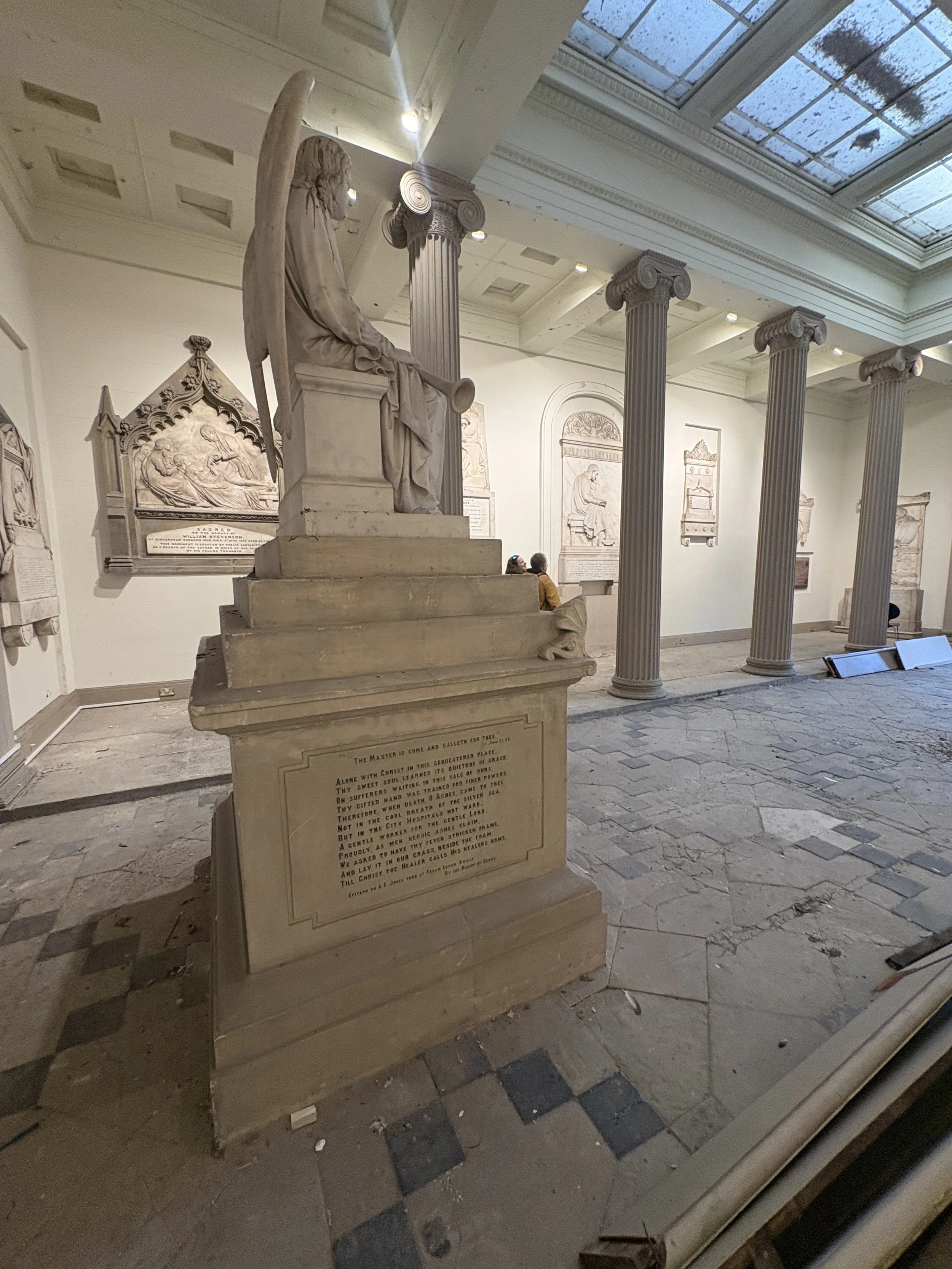
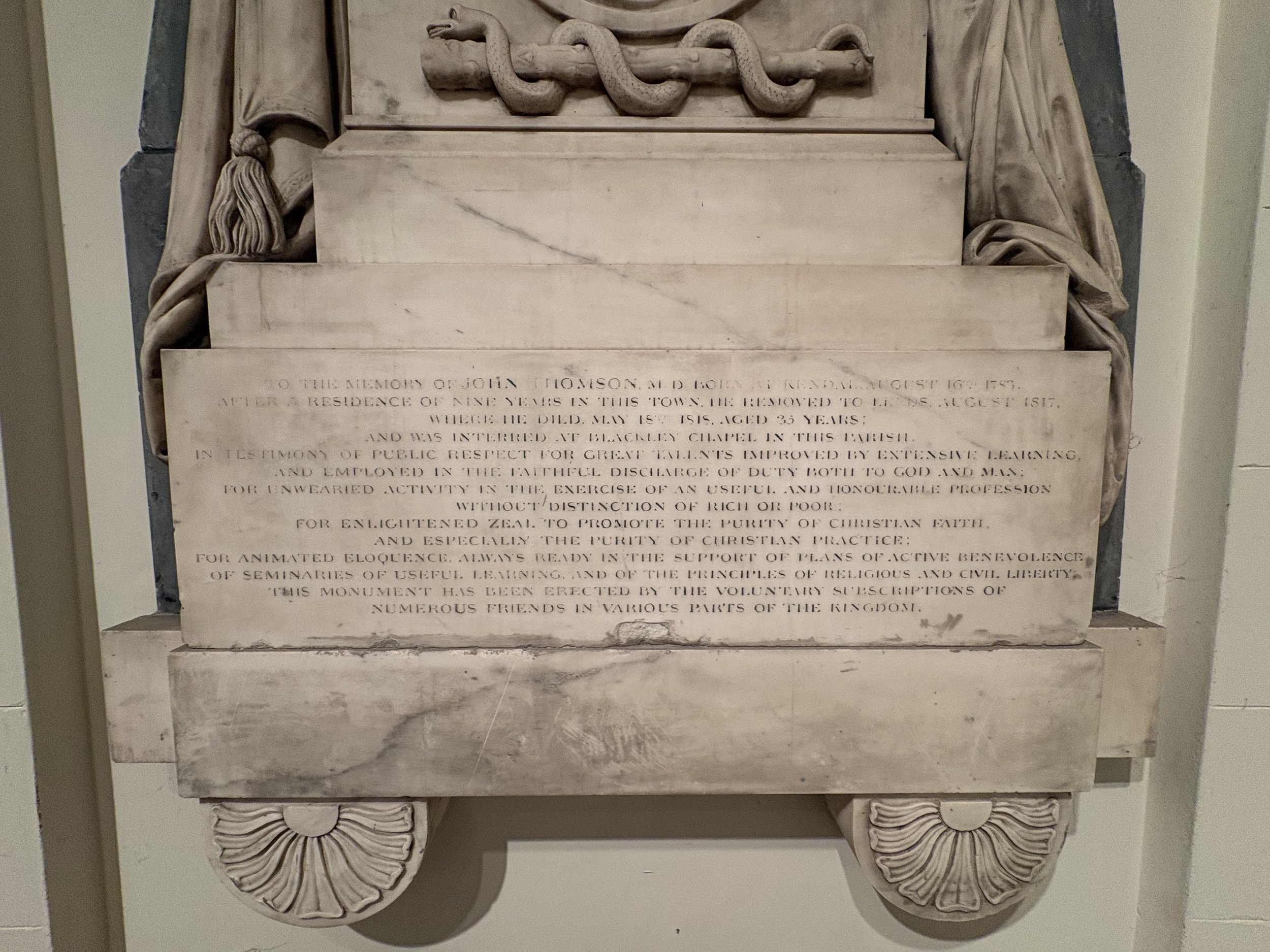
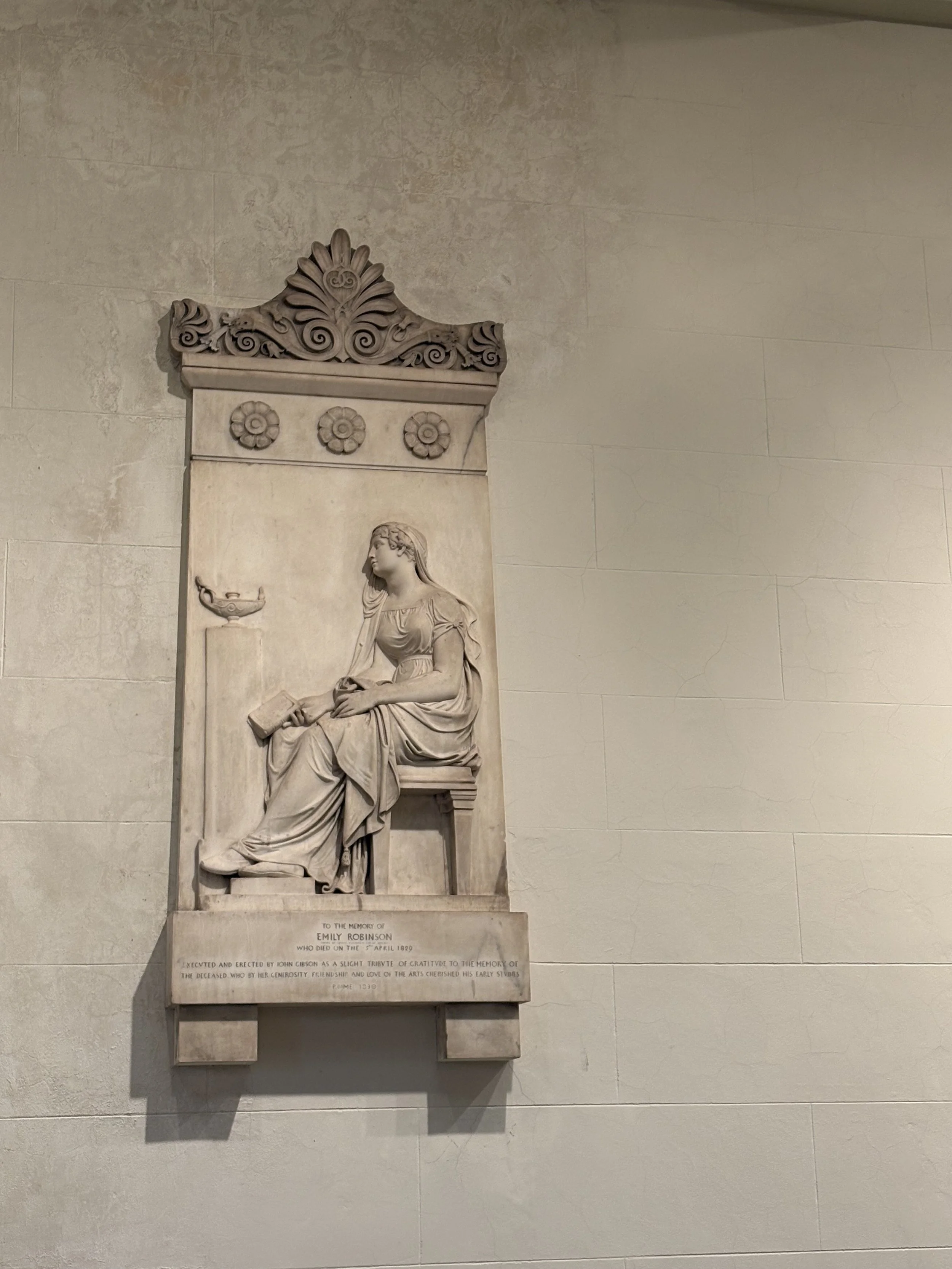
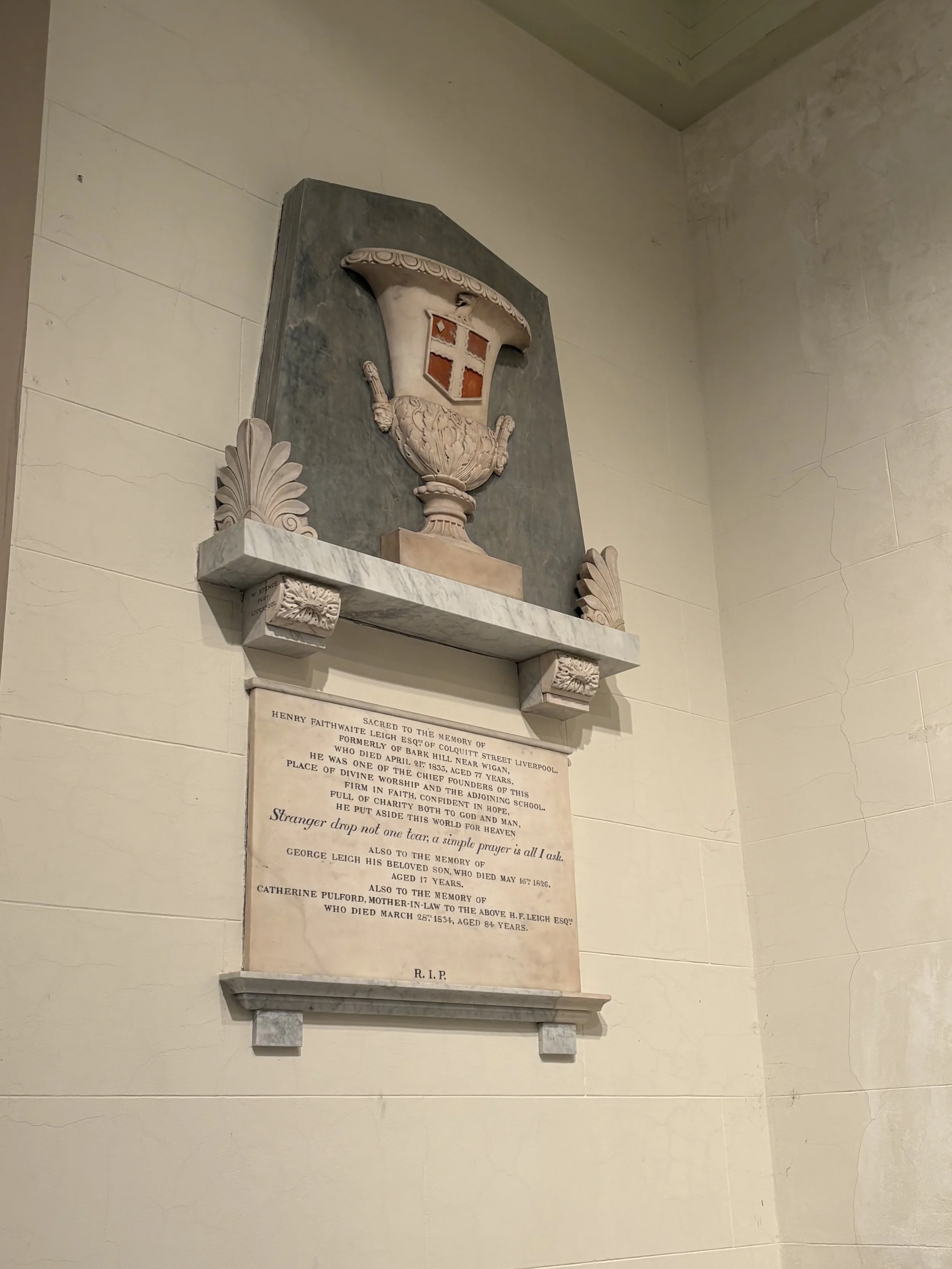
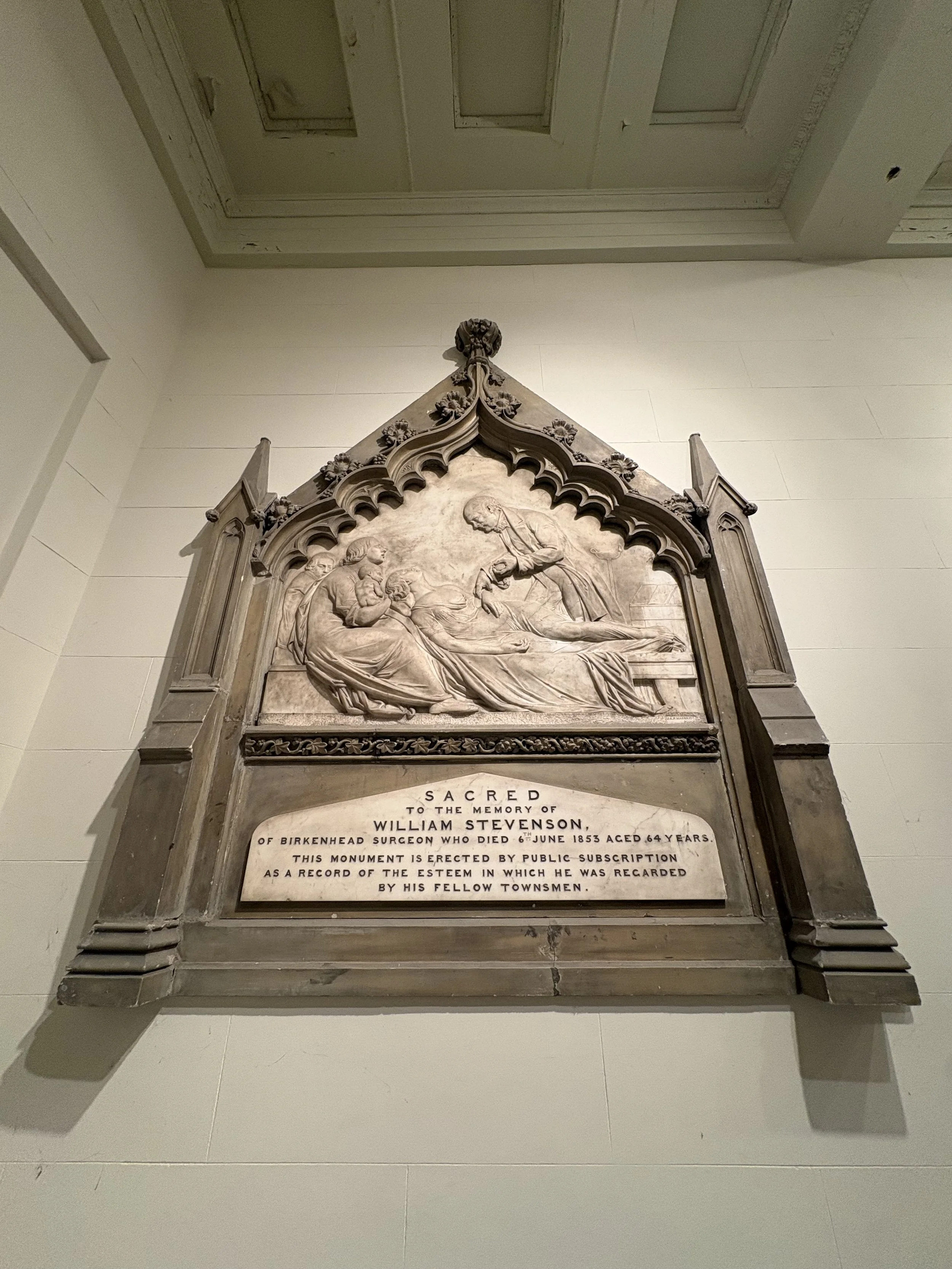
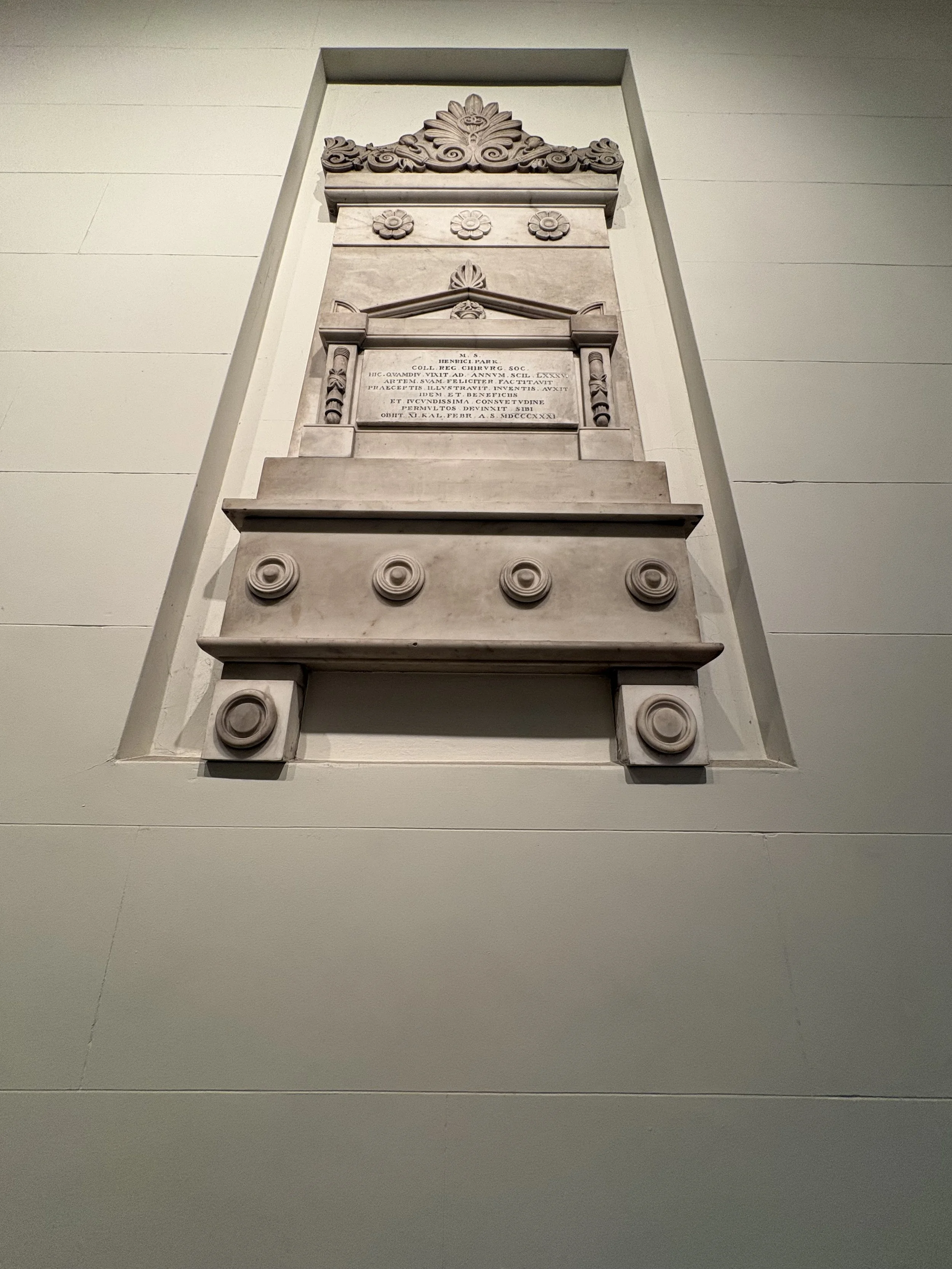
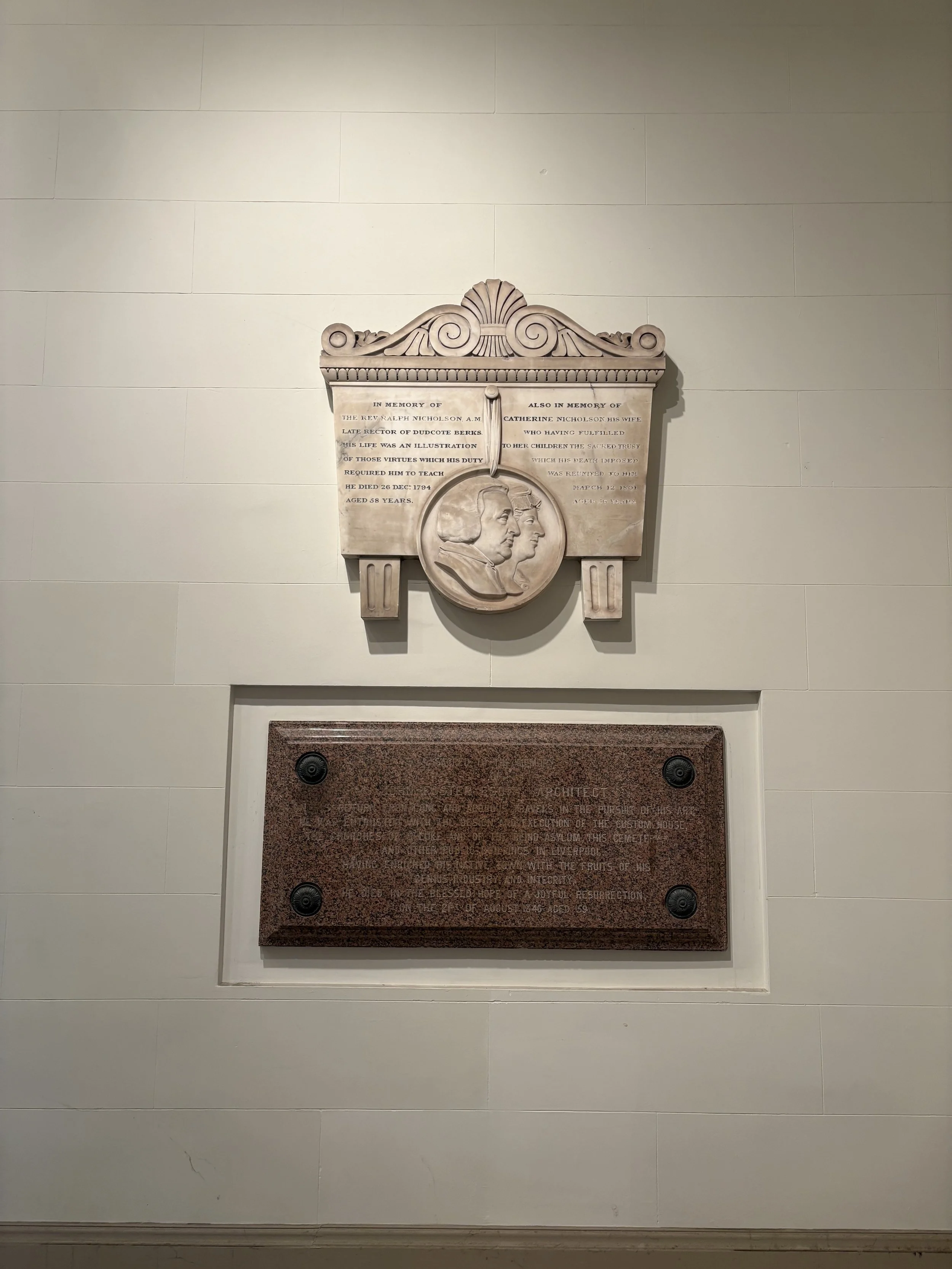
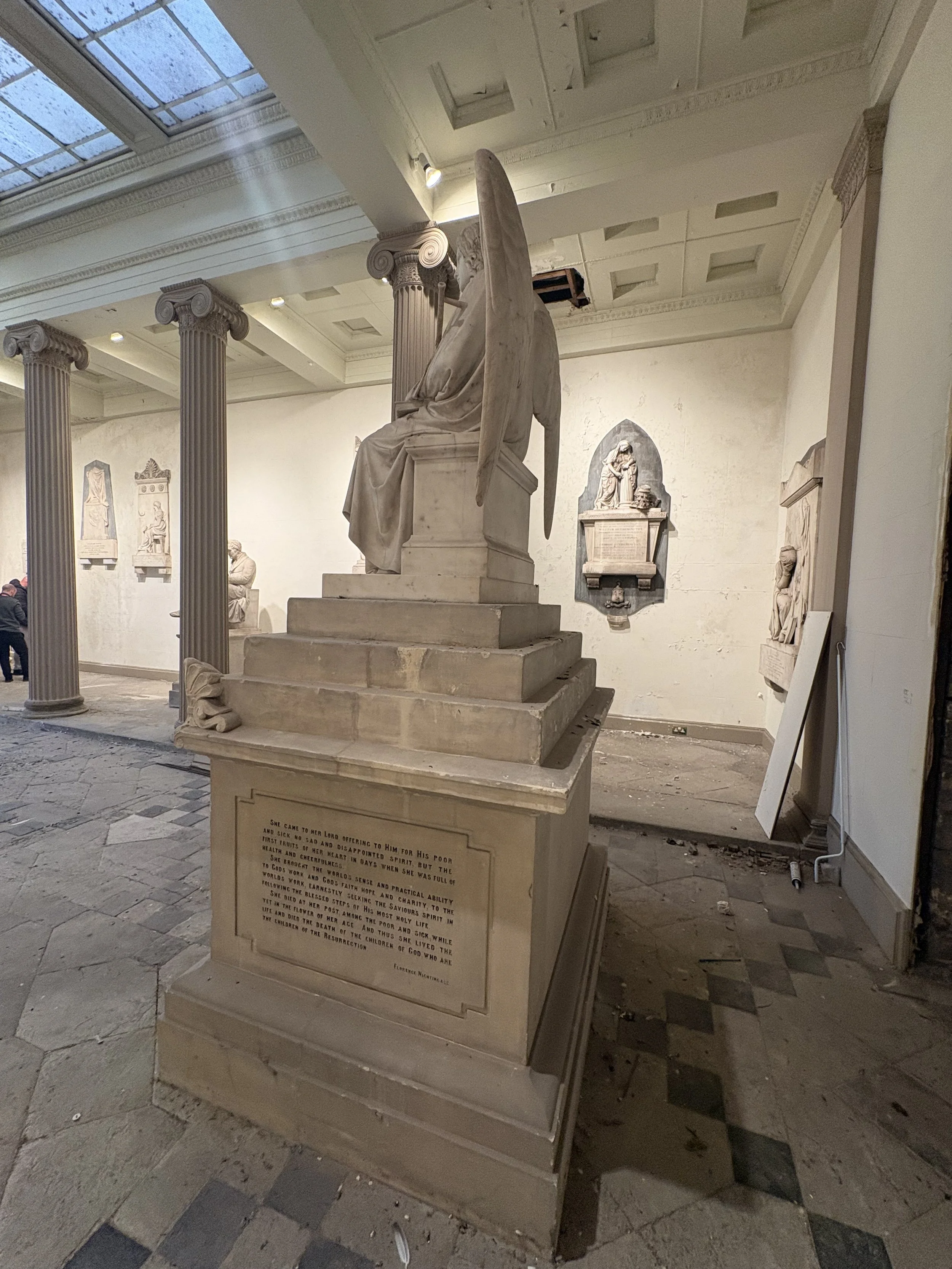
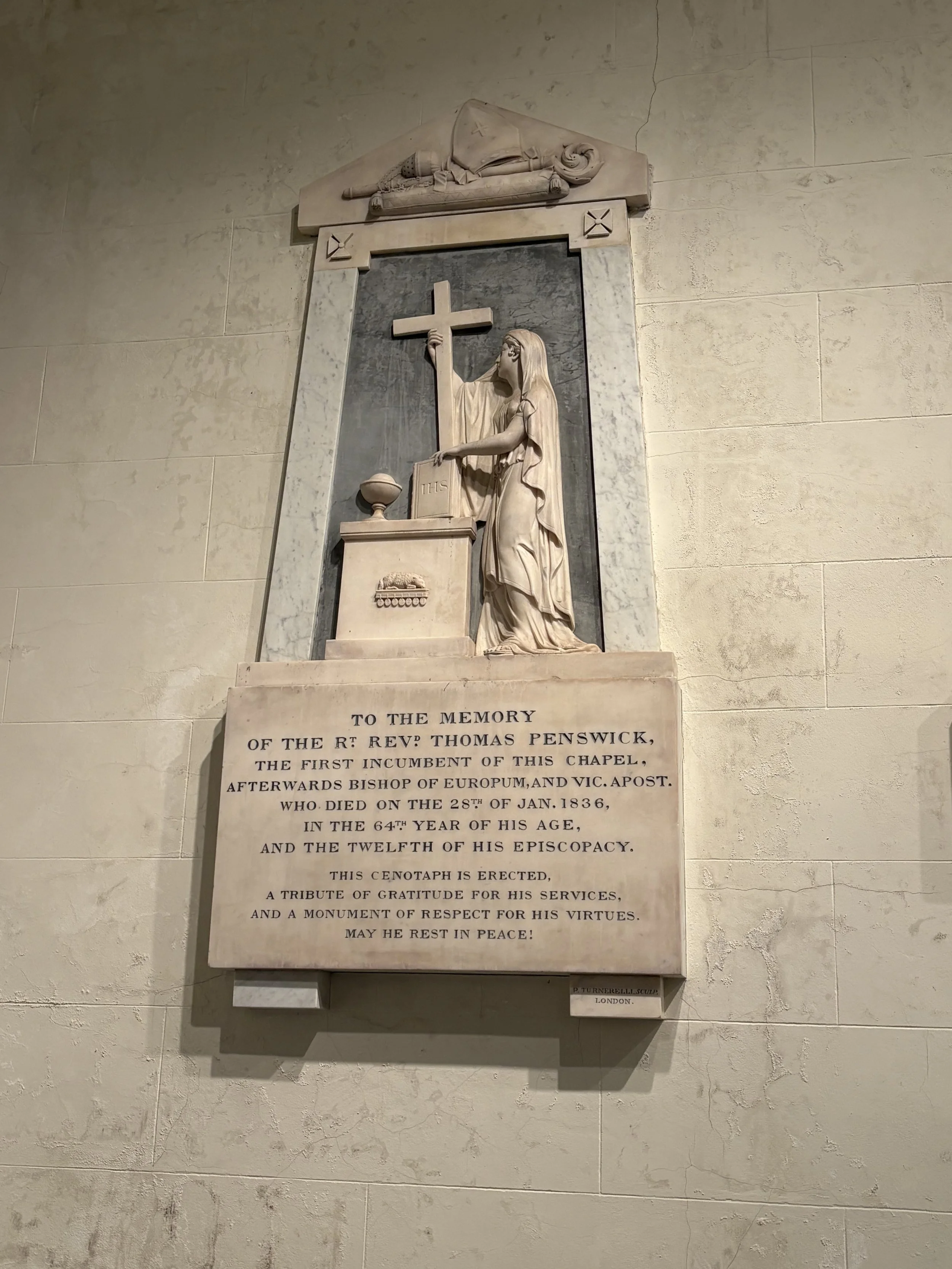
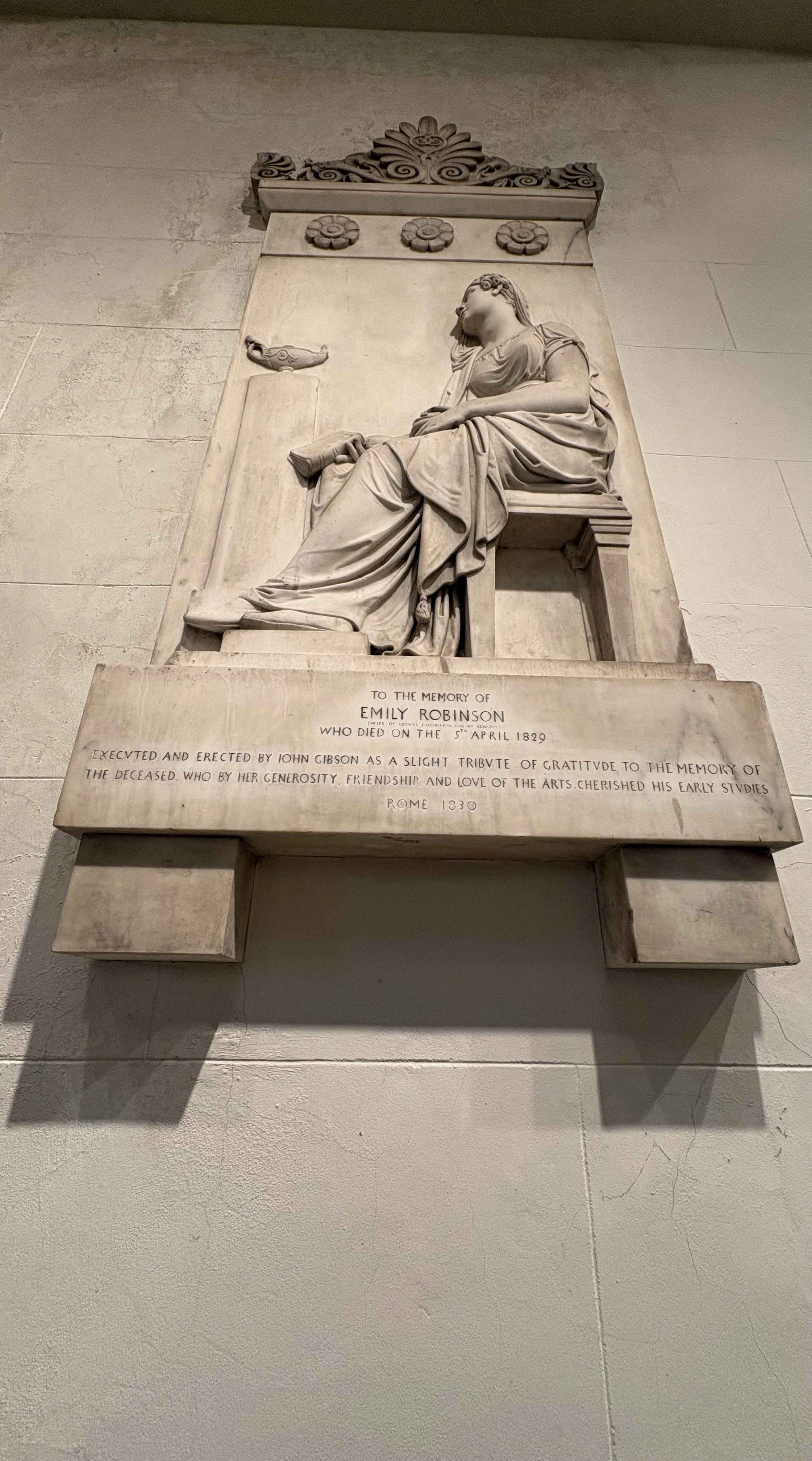
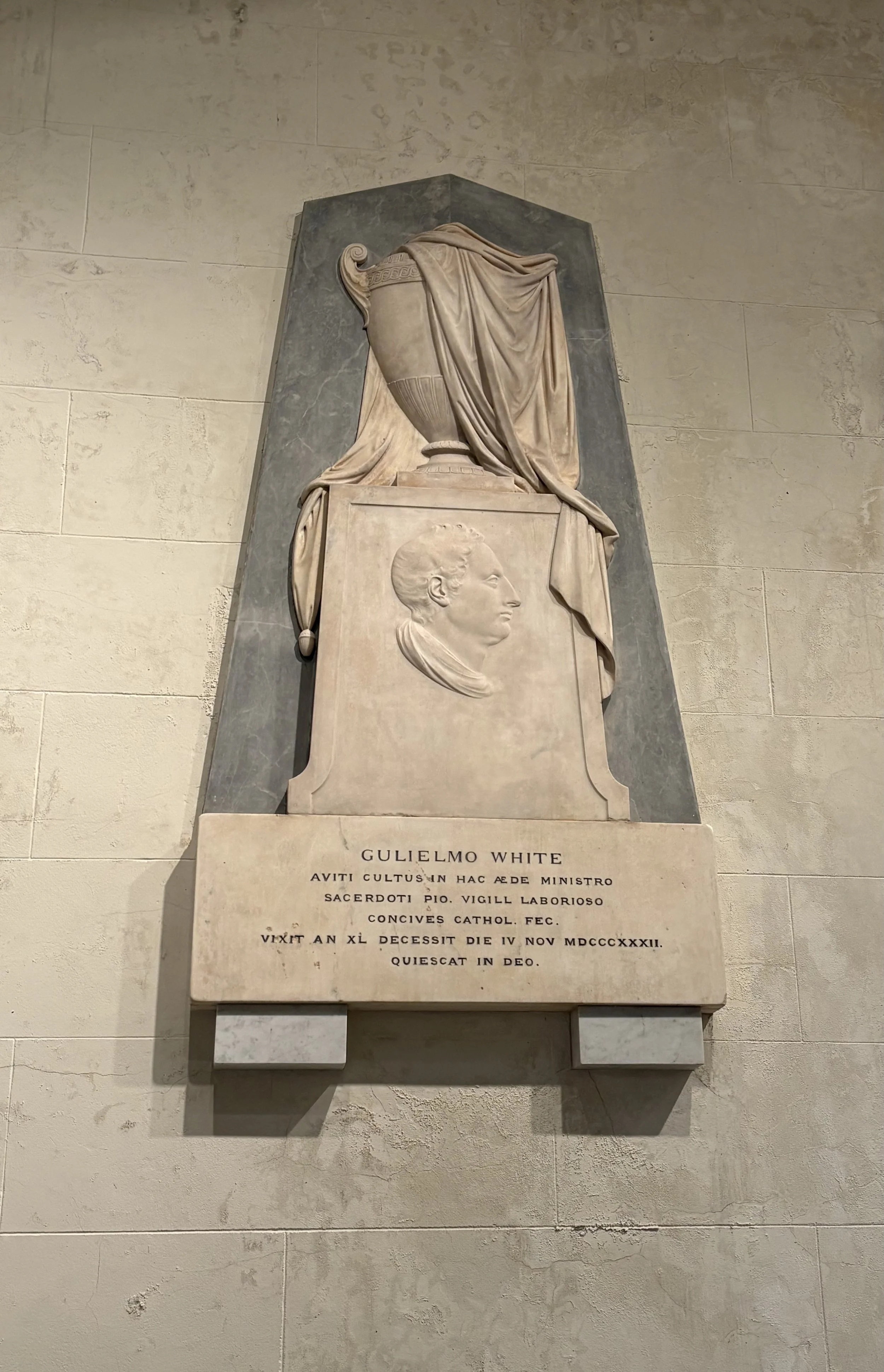
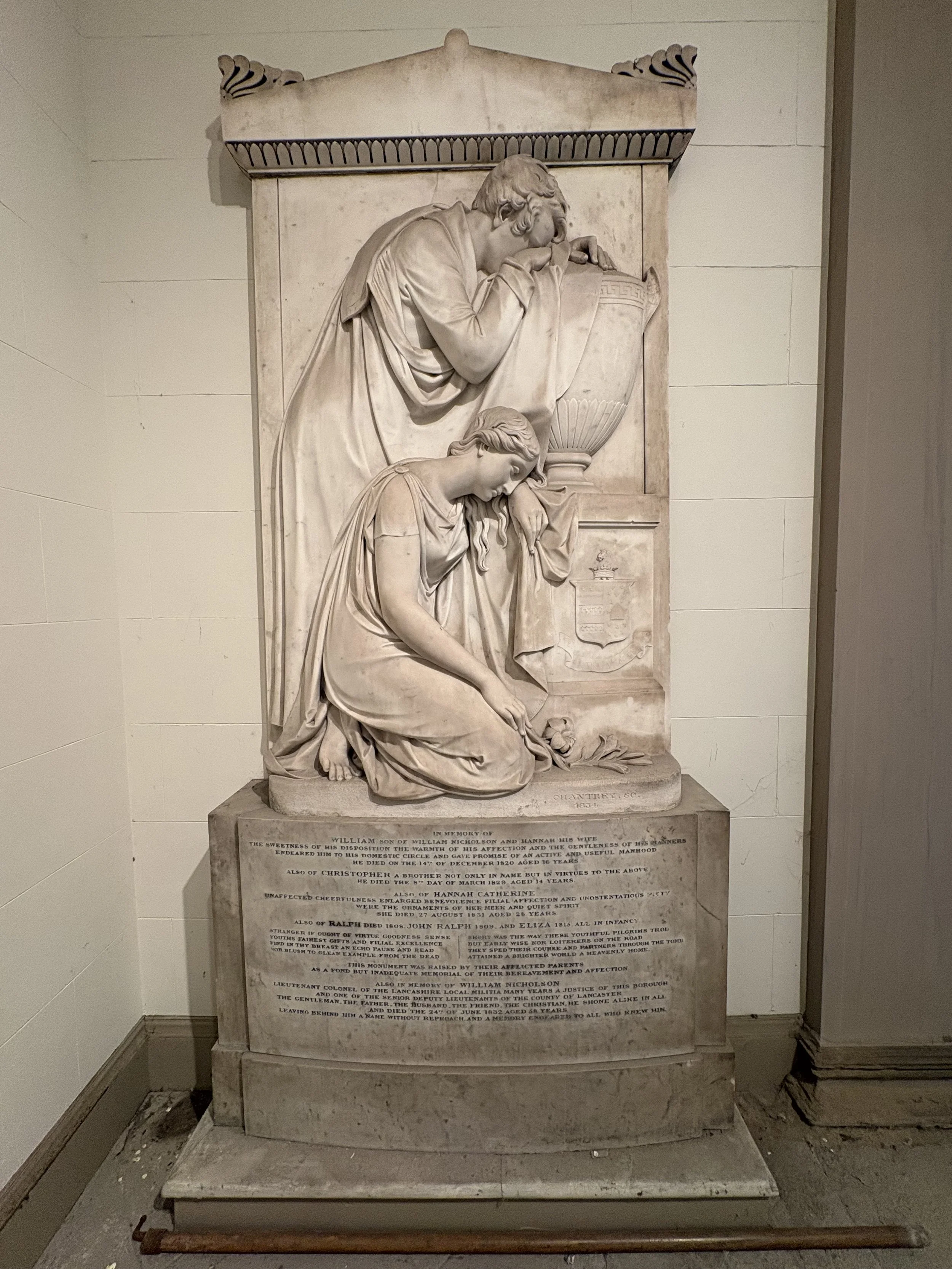
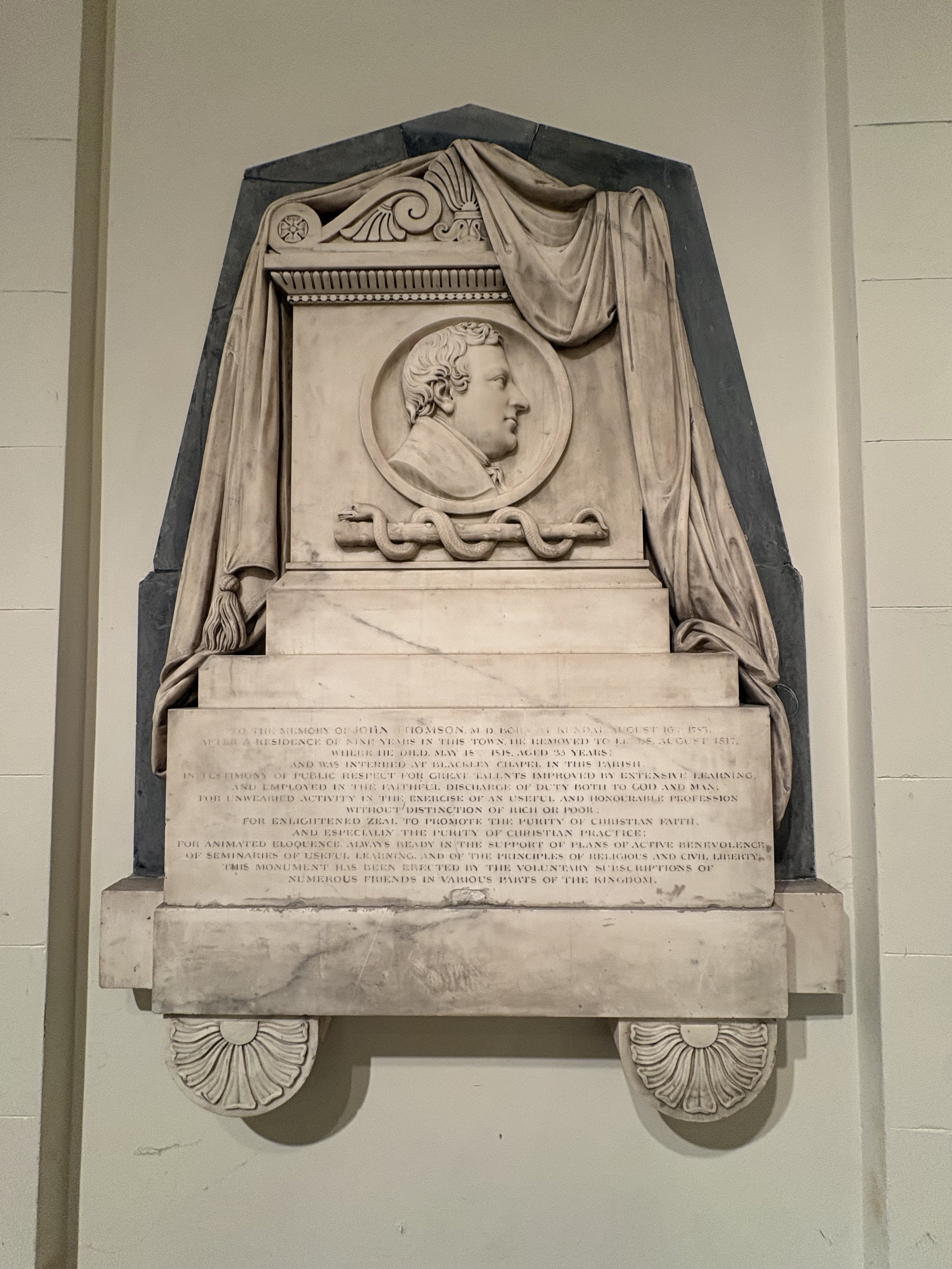
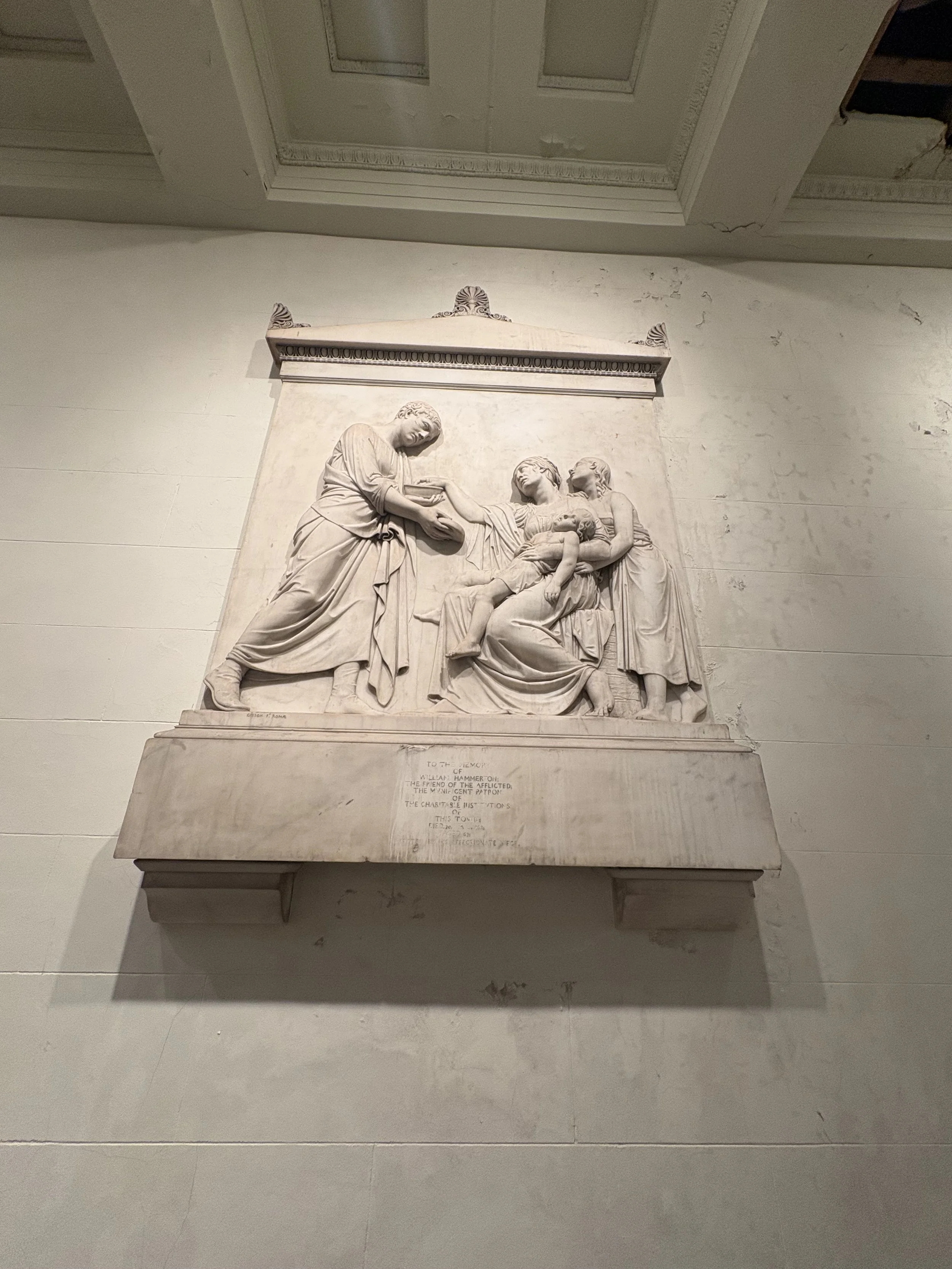
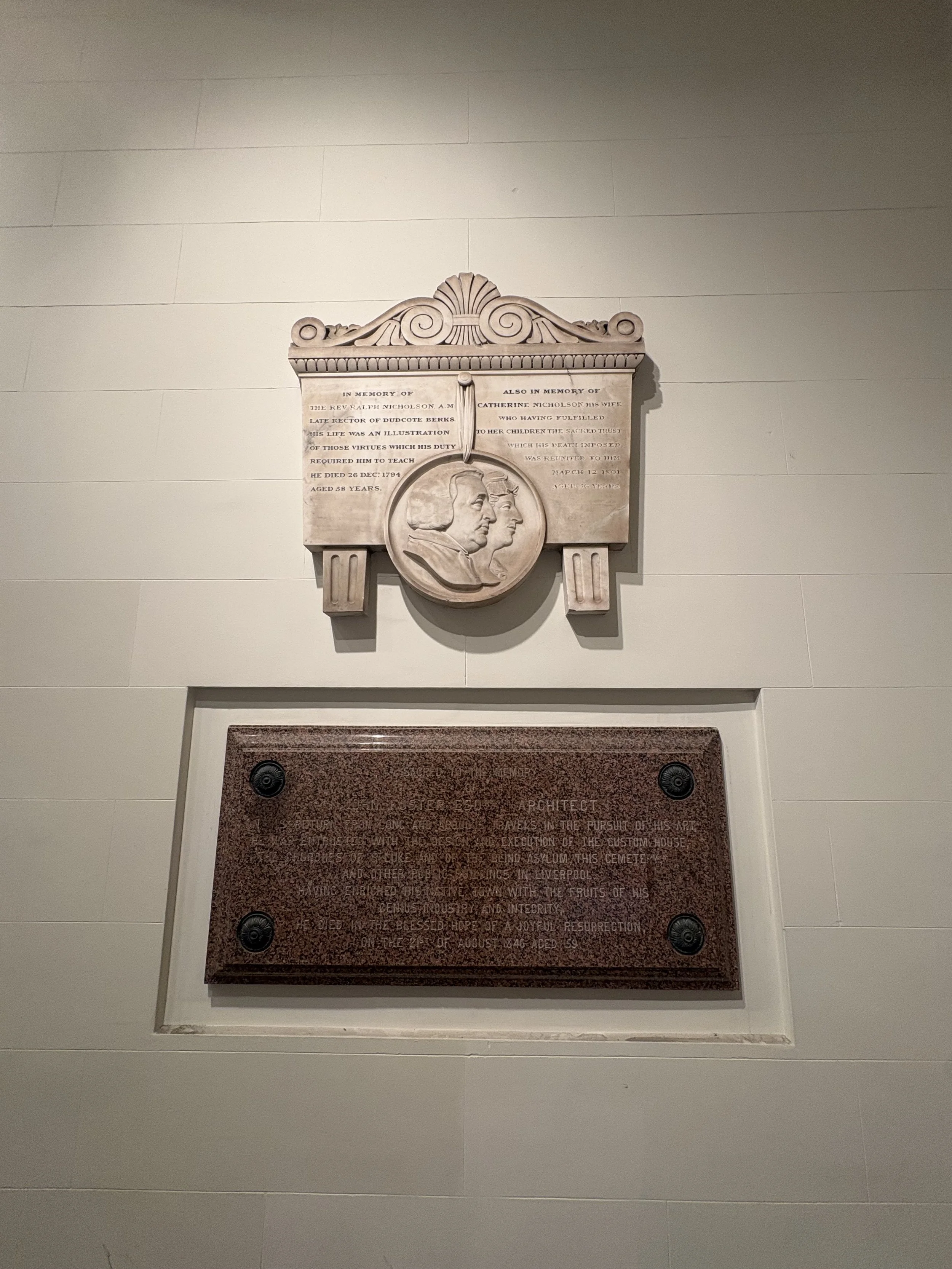
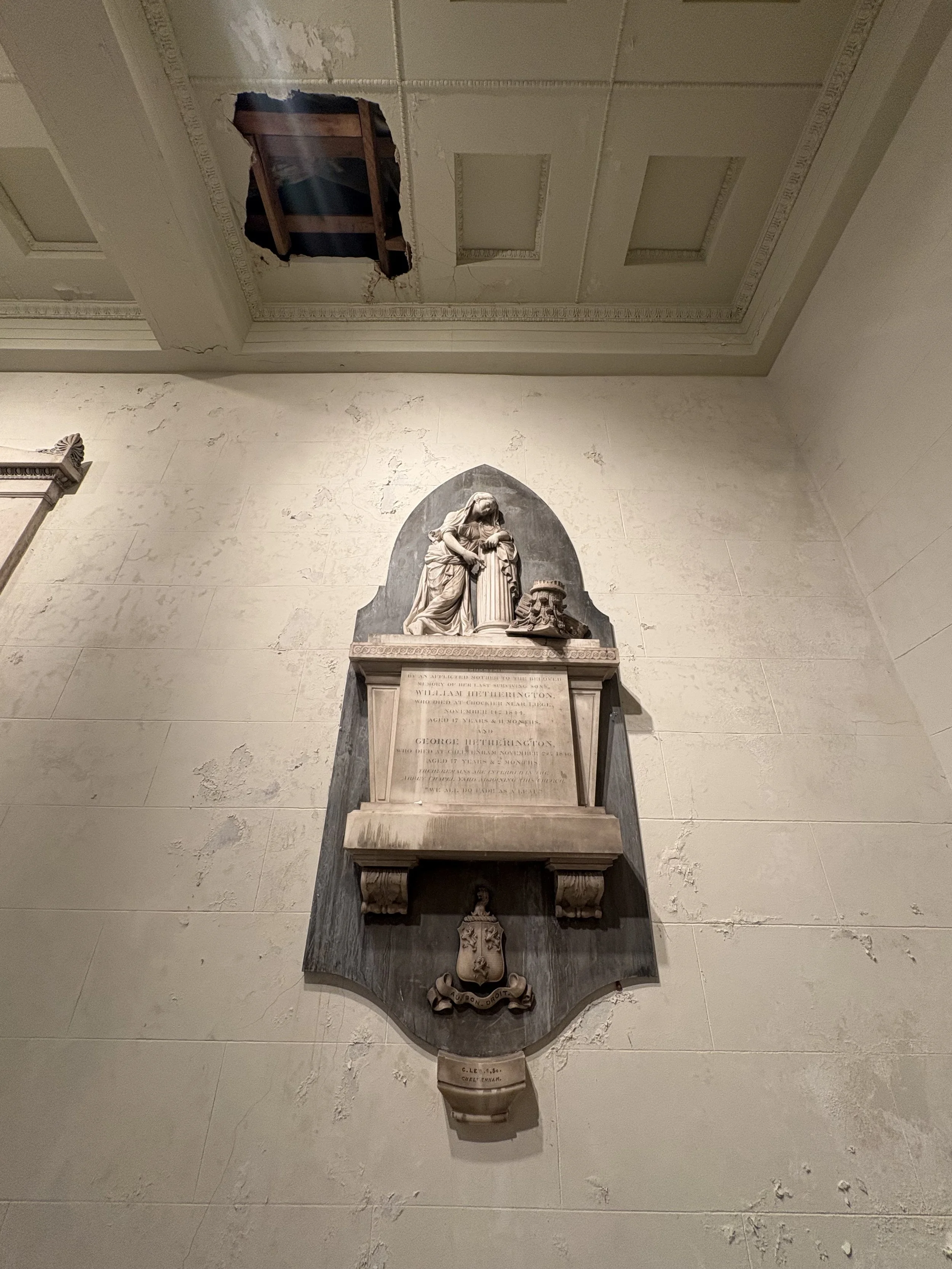
Jones became the first trained Nursing Superintendent of Liverpool Workhouse Infirmary and devoted herself to transforming nursing conditions for some of the poorest people in Victorian Liverpool.
She died from typhus in 1868, aged just 35.
Her friend and mentor Florence Nightingale later wrote of her:
“She overworked as others underworked. I looked upon hers as one of the most valuable lives in England.”
A Landscape Shiverpool Knows Well
St James’ has been part of Shiverpool’s story for over two decades.
Generations of guests have descended into the cemetery with us at the climax of the Hope Street Shivers, and our relationship with the landscape has continued to grow through historical research, cemetery events, biodiversity work and our support for the Friends of St James’ Garden with Shiverpool team being Trustees.
For Shiverpool, whose work has always been about uncovering the tangible and intangible stories hidden within Liverpool’s streets, buildings and landscapes, this was not simply an opportunity to look inside a building we had wanted to visit for years- it gave us another piece of the story.
A huge thank you to National Museums Liverpool for opening the doors and allowing the Shiverpool team this visit.
Watch this space...
