
Learning from Beyond the Grave
Research, Heritage and Best Practice
At Shiverpool, research does not stop at the archive.
The team regularly gets out into cemeteries, heritage landscapes, museums and community-led spaces to see how other organisations are protecting, interpreting and sharing their history.
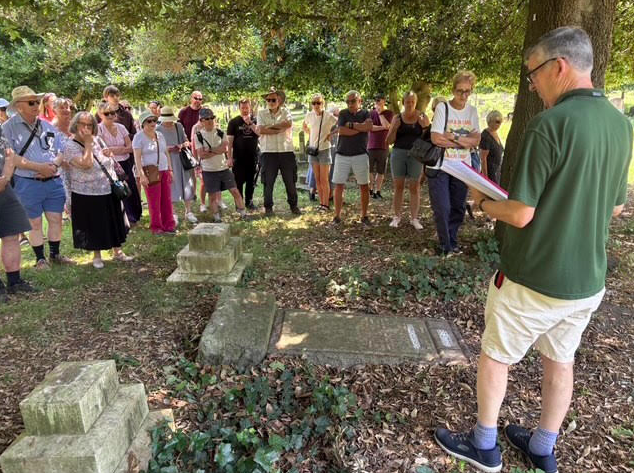
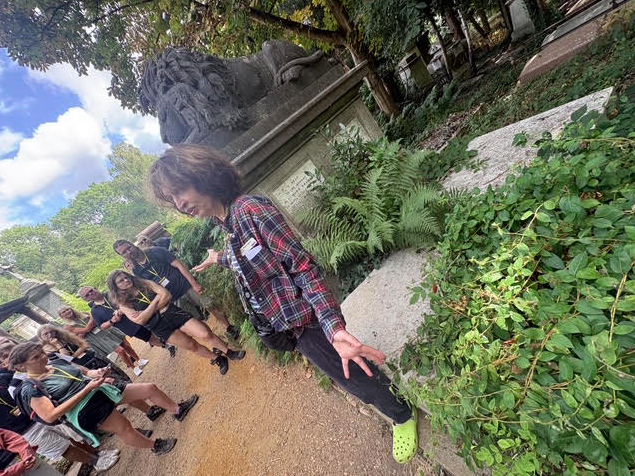
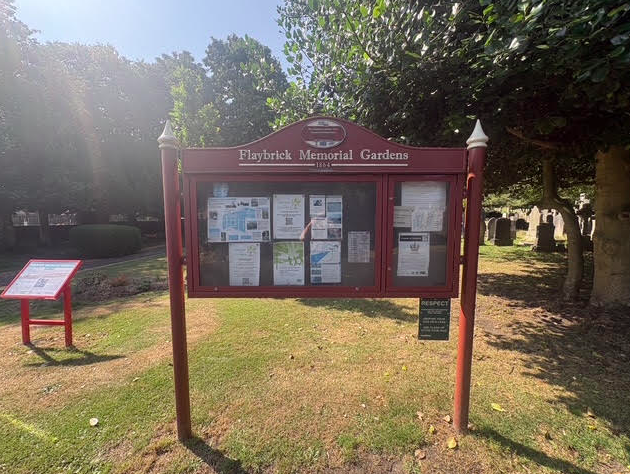
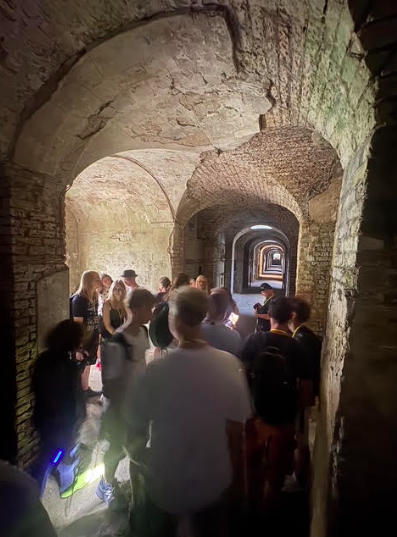
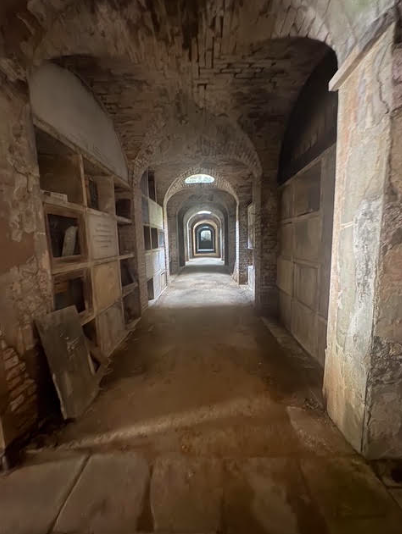
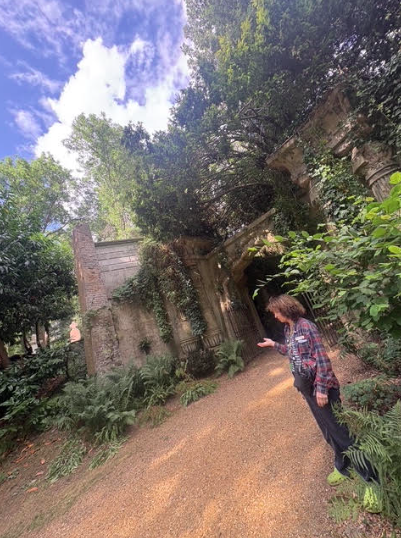
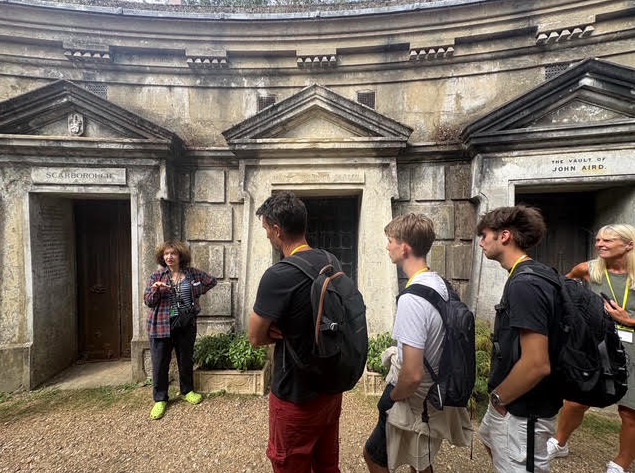
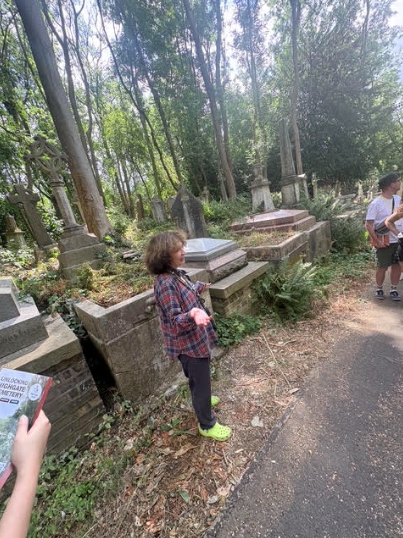
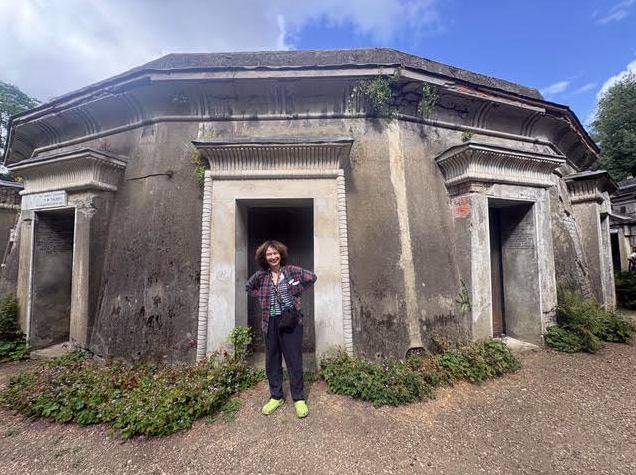
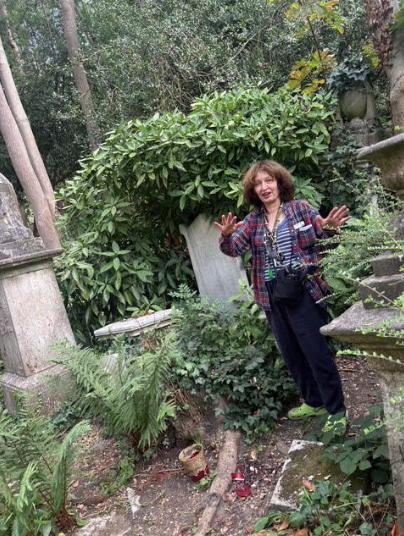
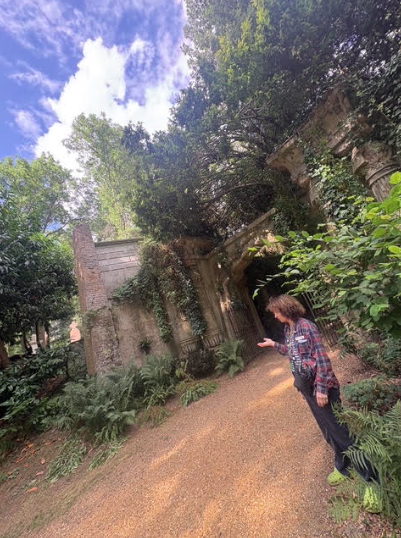
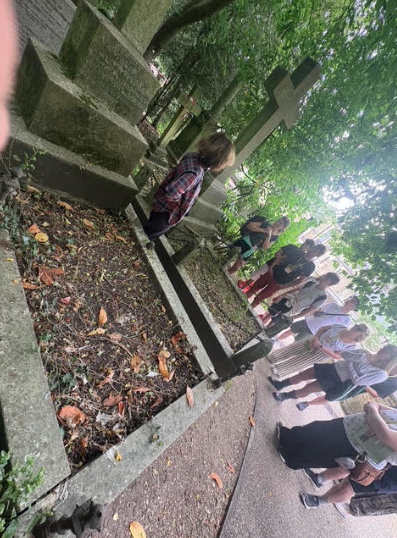
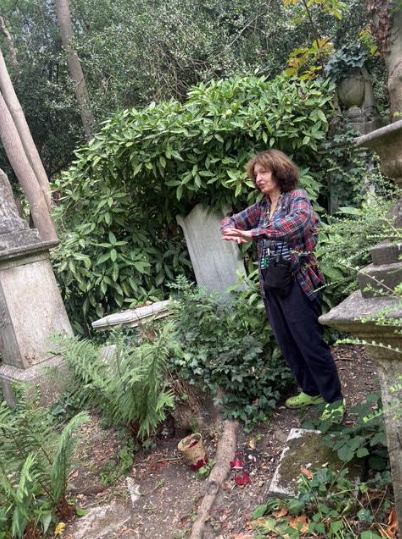
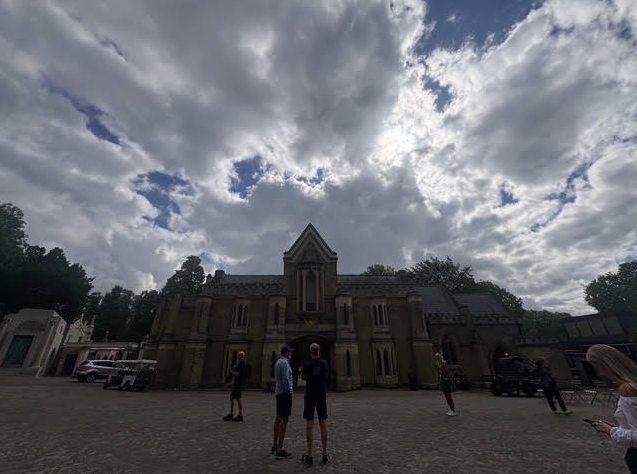
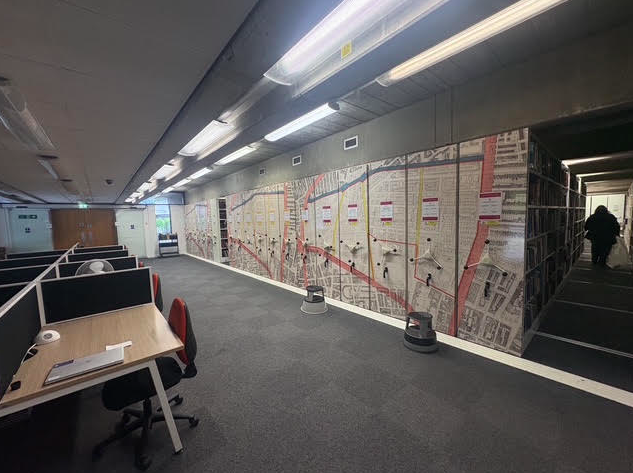
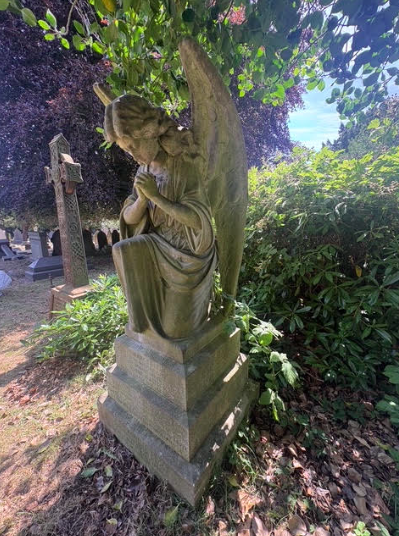
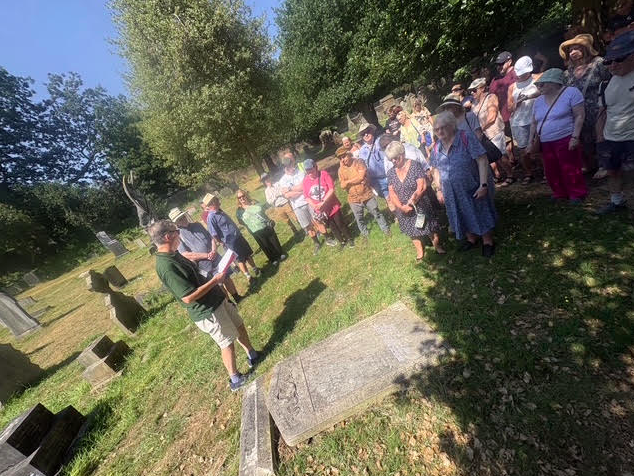
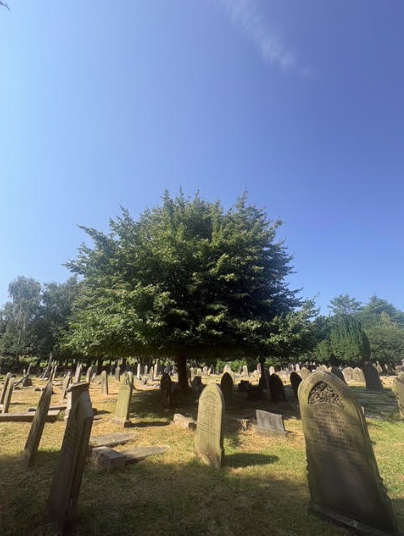
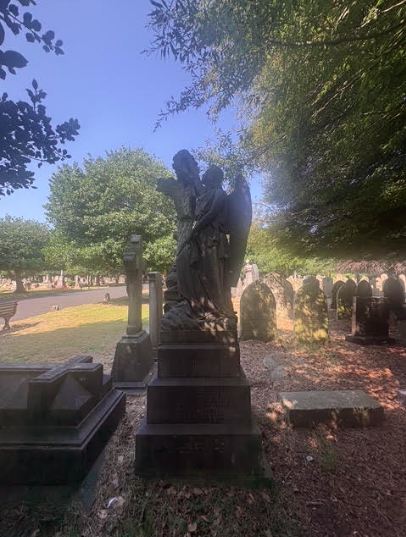
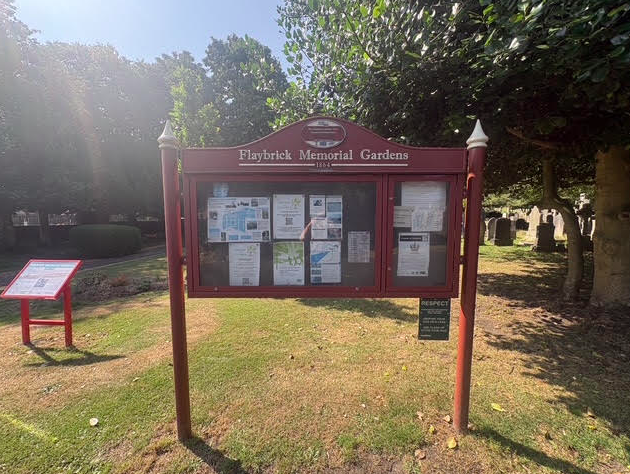
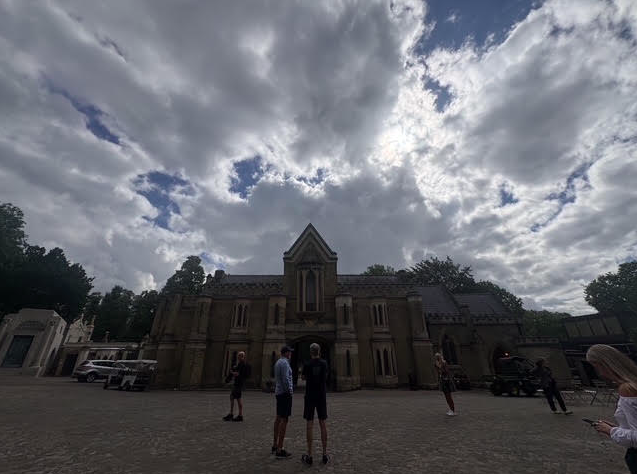
From Flaybrick Memorial Gardens on the Wirral to Highgate Cemetery in London, these visits are an important part of developing the team’s knowledge, skills and understanding of best practice.
Guided walks, specialist tours, conferences and site visits offer the chance to experience heritage spaces from the visitor’s point of view. How are stories told? How is a historic landscape made accessible? How are conservation and biodiversity balanced with public use? What makes a Friends organisation successful? And how can volunteers, communities and heritage professionals work together effectively?
As a Trustee of the Friends of St James’ Lucy Carew says “Seeing different approaches in action provides invaluable learning.”
“It also creates opportunities to meet guides, researchers, volunteers and people working across the cemetery and heritage sectors, building relationships, exchanging ideas and learning directly from the experience of others.”
Exploring grief, mourning and remembrance
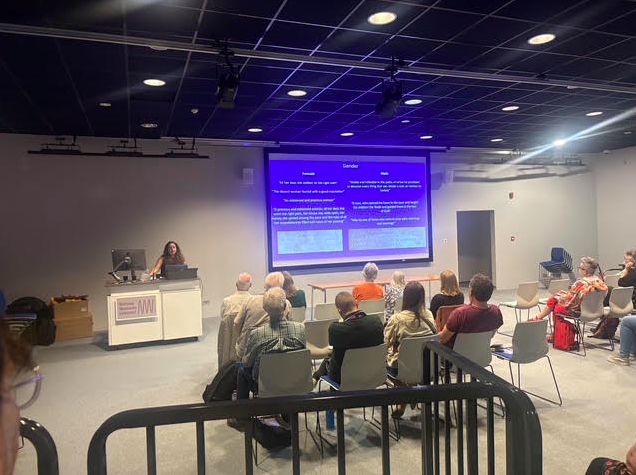
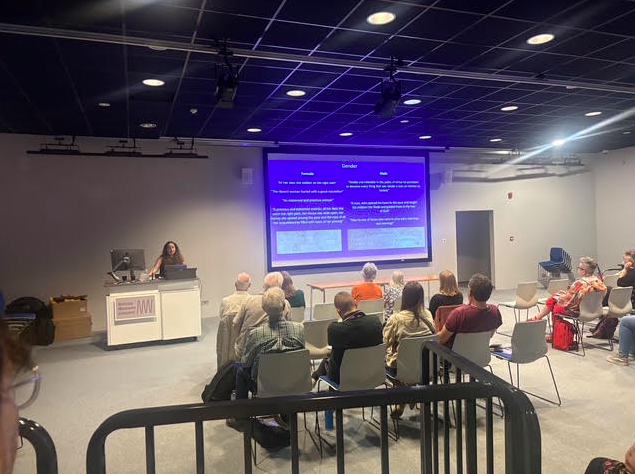
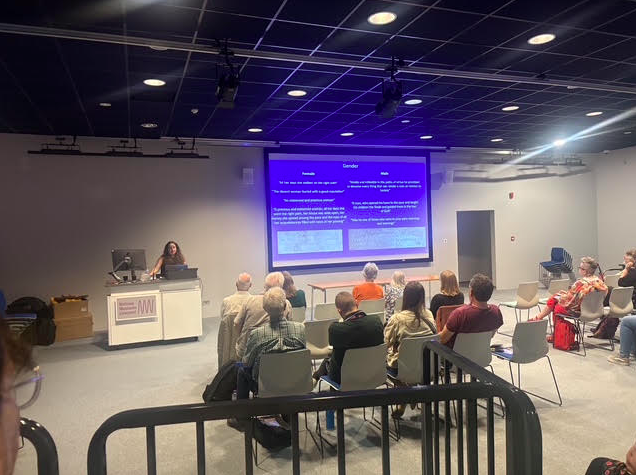
The Shiverpool team also attended National Museums Liverpool’s In Loving Memory: Exploring Historic Grief, Mourning and Remembrance at the Museum of Liverpool.
The event explored different ways of researching death and commemoration, from archaeological excavation and graveyard recording to historic objects, memorial practices and the ways different communities have expressed grief and remembrance. It was great to see fellow Trustee Dr Anna Fairley Nielsson deliver her talk at the seminar on Rediscovering 18th and Early 19th Century Jewish Memorials in Liverpool.
Themes around Roman Catholic and Protestant traditions were particularly relevant to the history of Liverpool and St James’ Cemetery, demonstrating how burial landscapes can reveal far more than names and dates.
They can tell us about faith, family, migration, identity, social history and changing attitudes towards death.
Events like this help the team develop a deeper understanding of how sensitive histories can be researched and interpreted in ways that are engaging, respectful and accessible.
Bringing knowledge back to Liverpool
This continual learning feeds directly into Shiverpool’s work.
It strengthens historical research, develops storytelling and interpretation skills, and helps the team think critically about the way audiences experience heritage.
It also supports Shiverpool’s Trusteeship for the Friends of St James’ Garden and close work in St James’ Garden, providing useful insight into how other cemetery and heritage organisations approach conservation, biodiversity, volunteering, events, fundraising and long-term stewardship.
The purpose is not to simply replicate what works elsewhere.
Every cemetery and historic landscape is different. The value comes from seeing successful ideas in practice, understanding why they work and considering how that learning might be adapted appropriately for Liverpool and St James’ Garden.
Heritage is always evolving
There is an important inclusion element to this research too.
Historic cemeteries hold the stories of whole communities, but not every story has historically received the same attention. Exploring different faiths, traditions and experiences of remembrance helps broaden interpretation and encourages new ways of making heritage relevant and accessible to wider audiences.
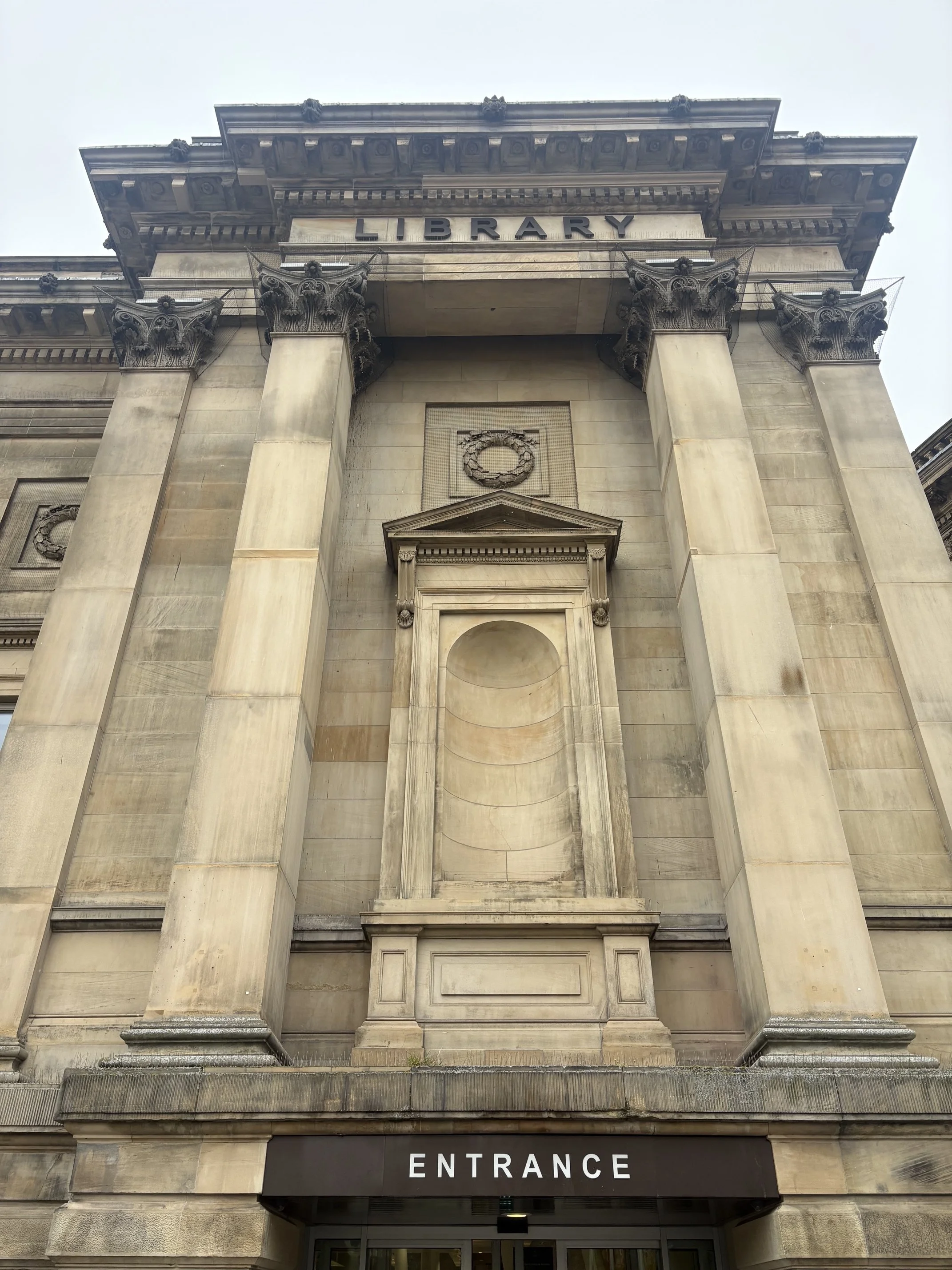
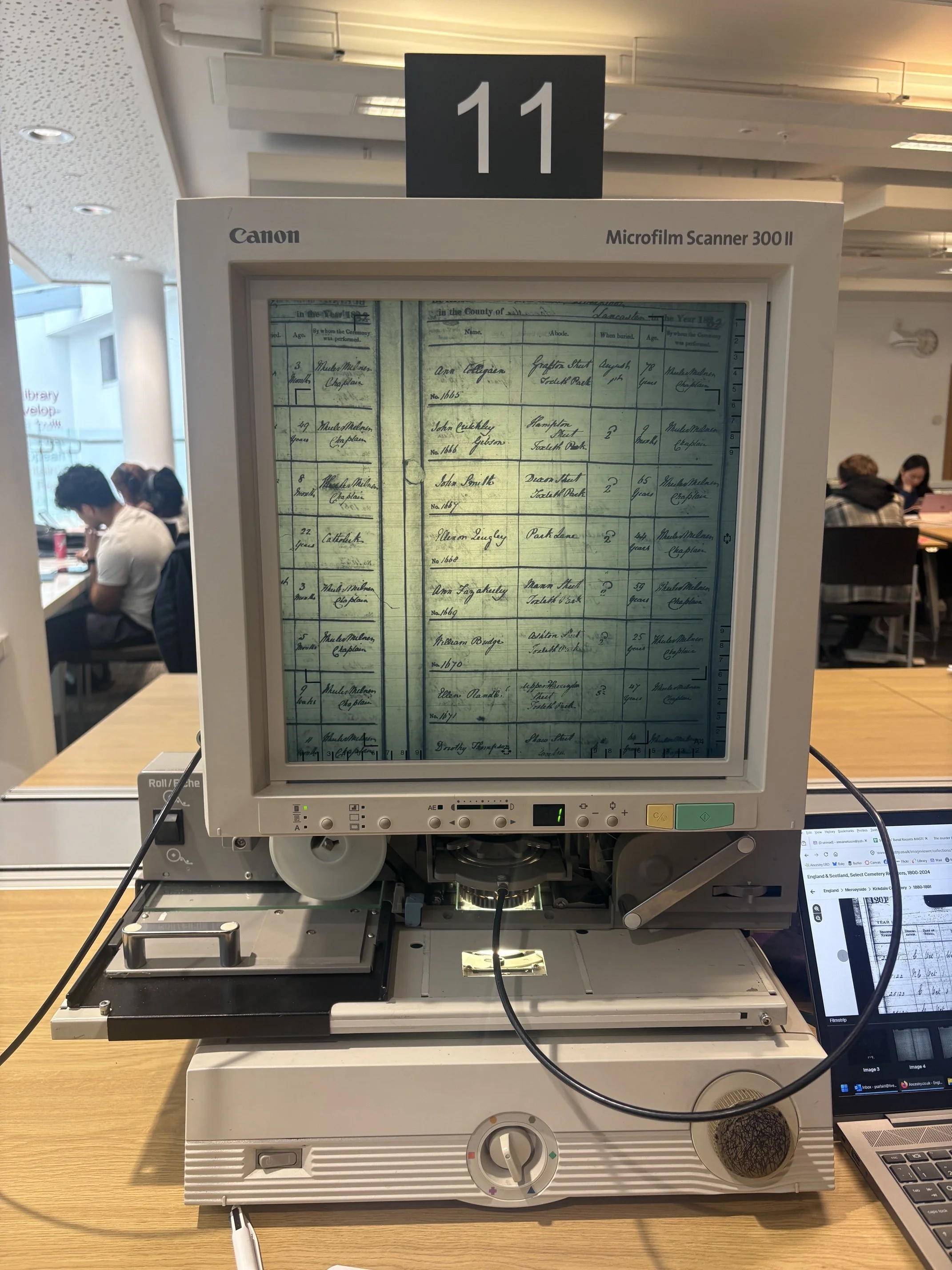
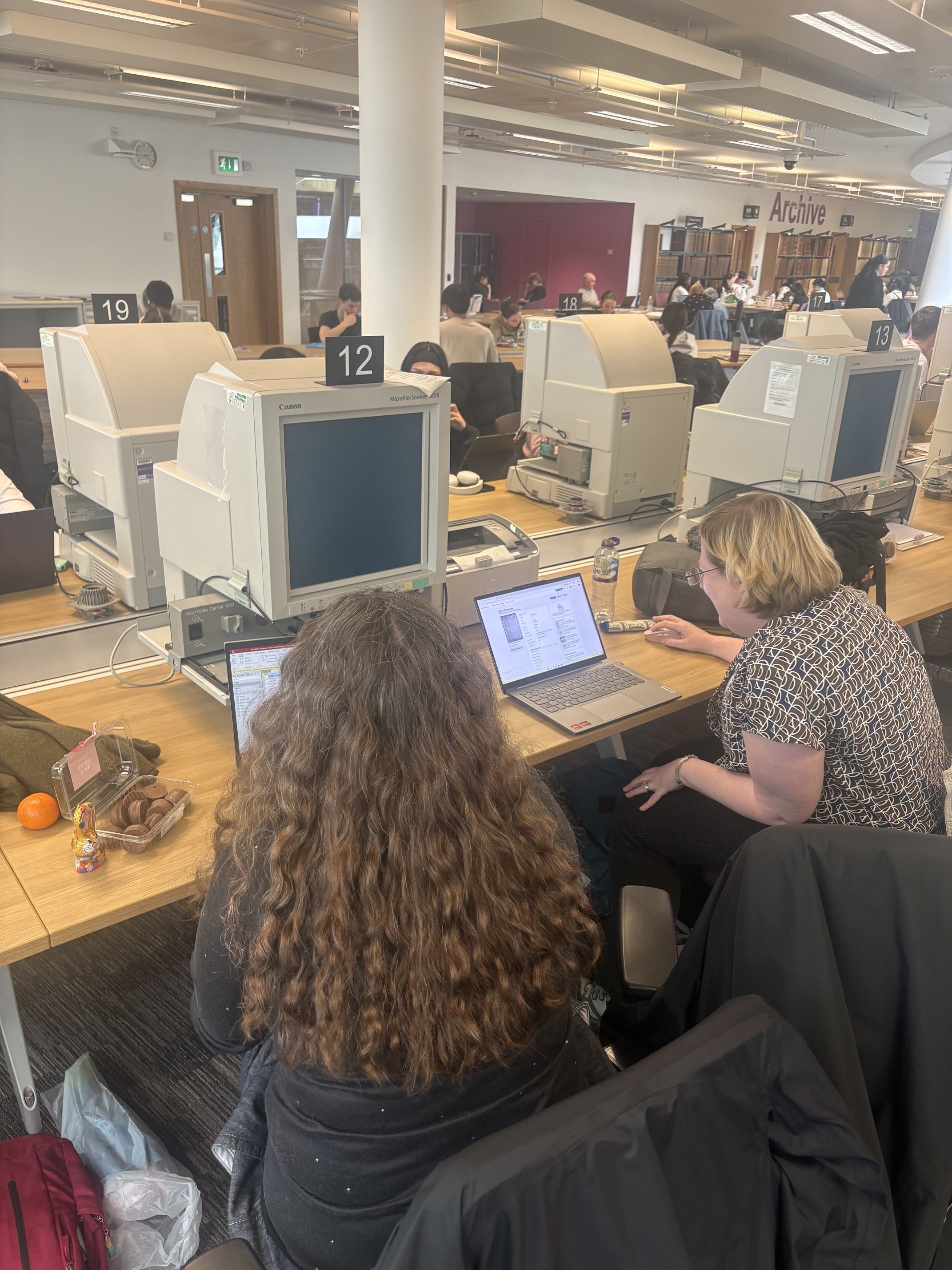
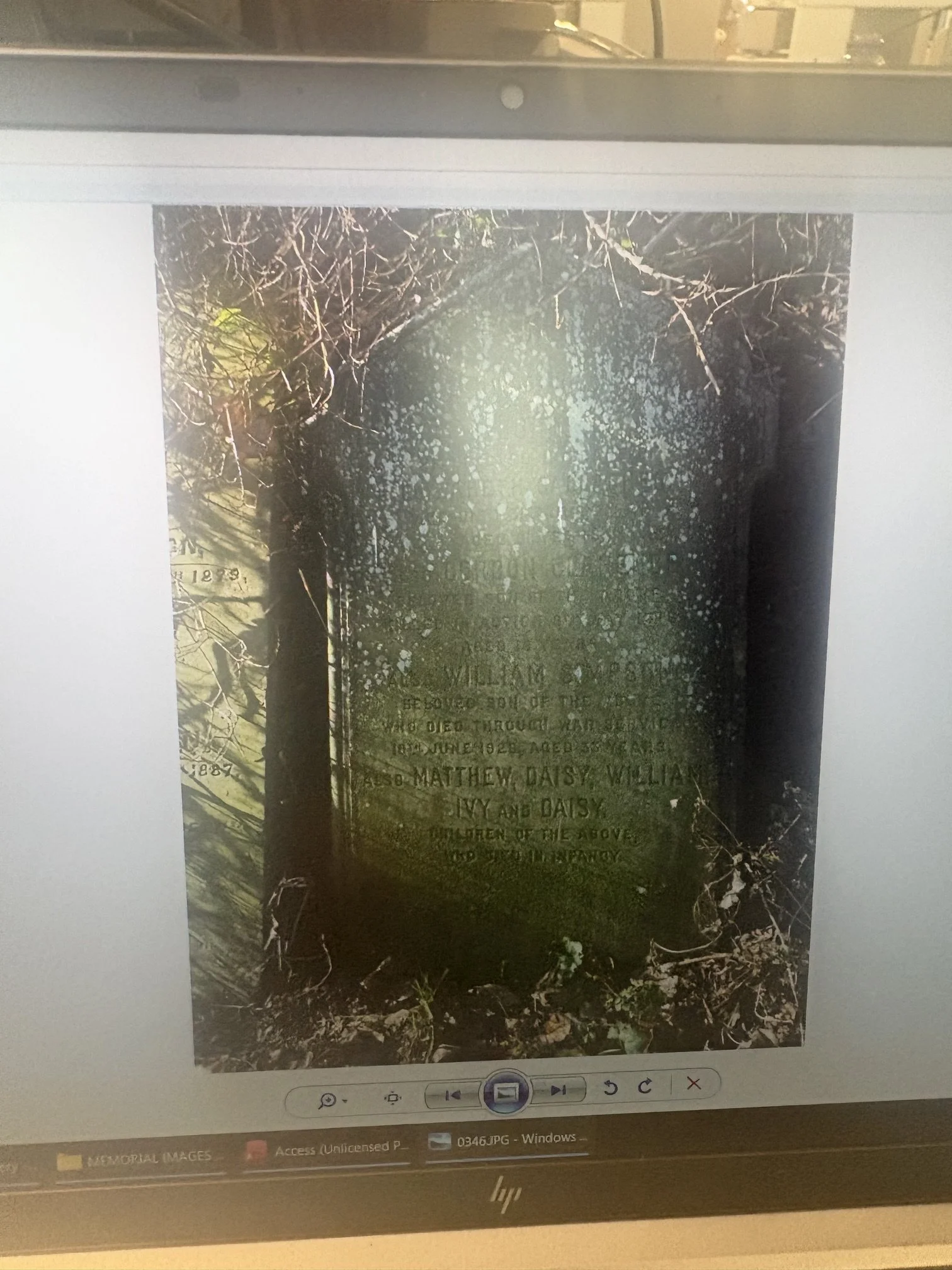
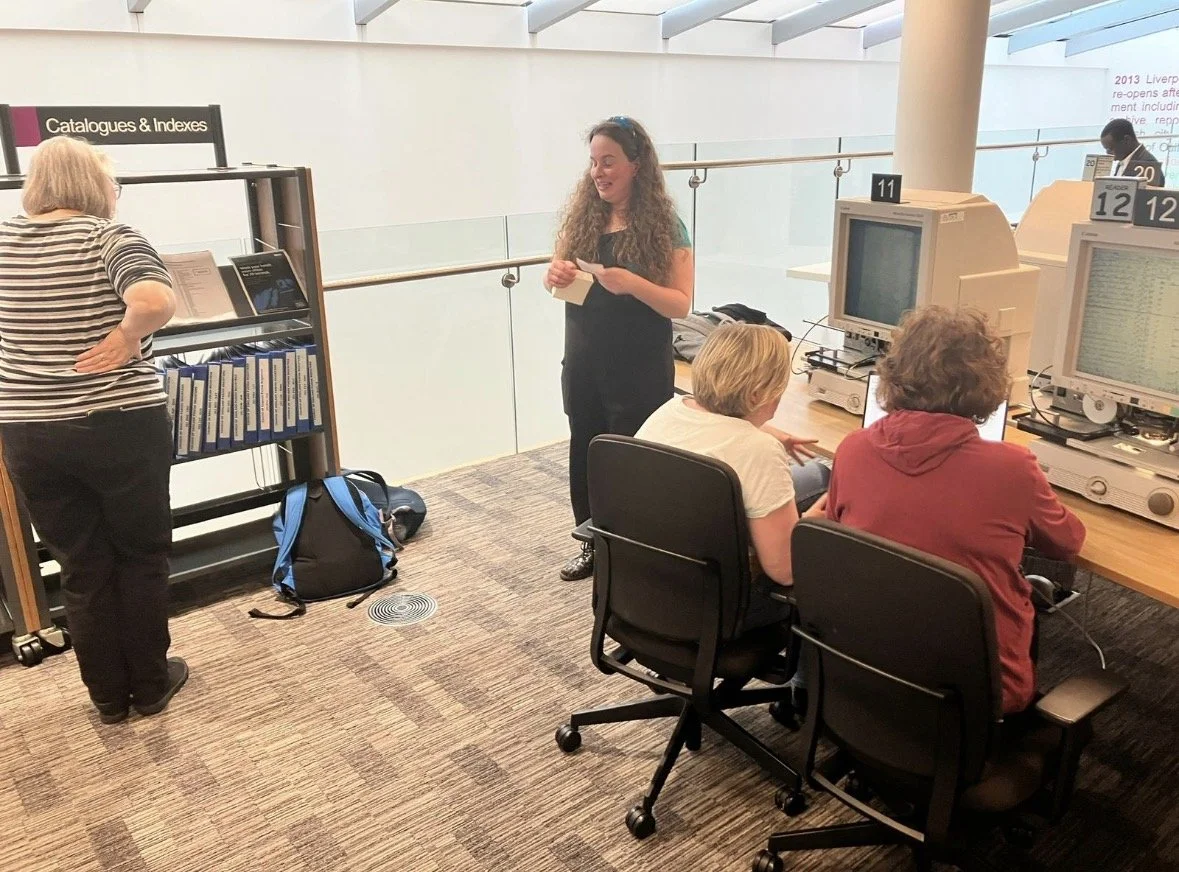
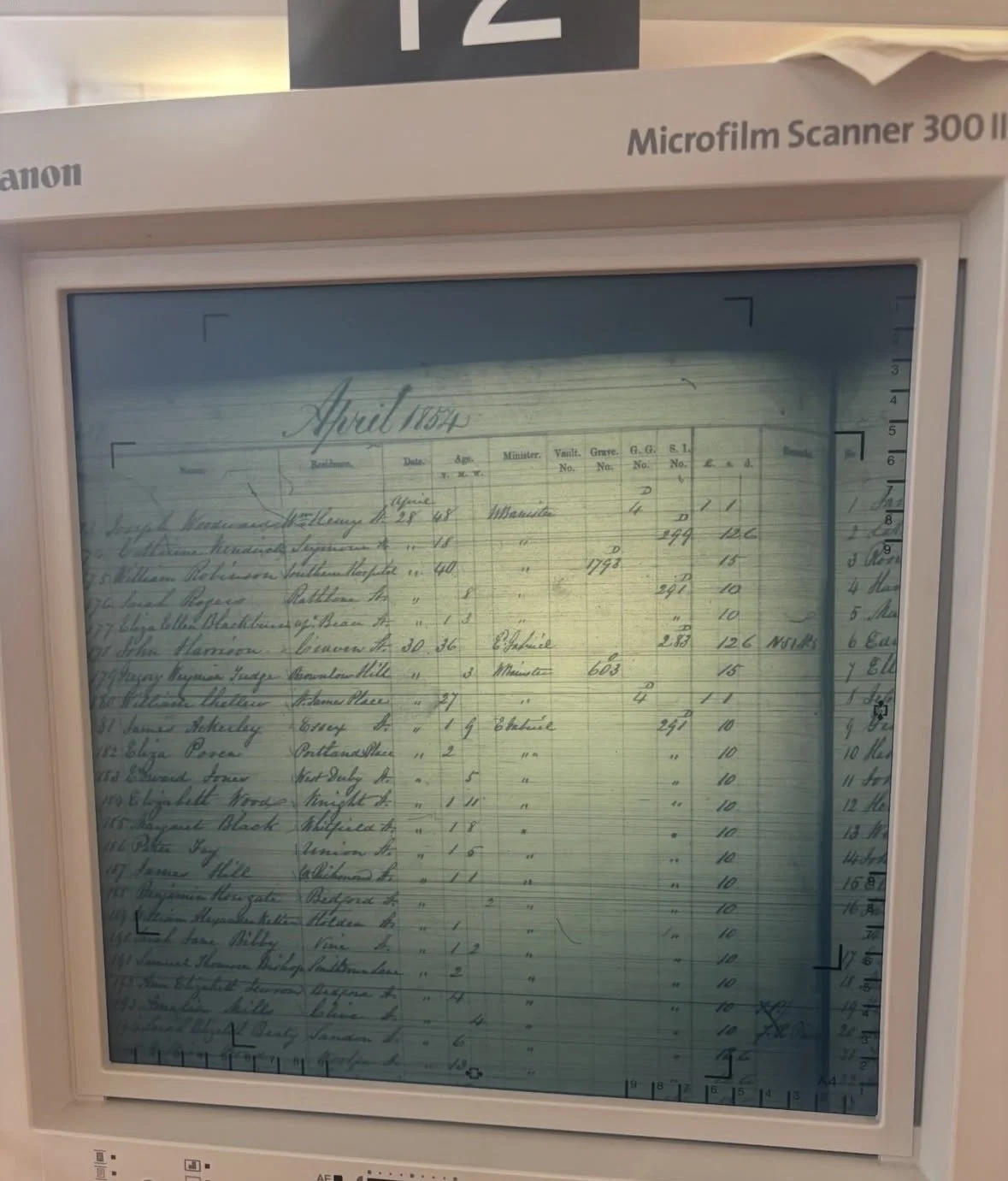
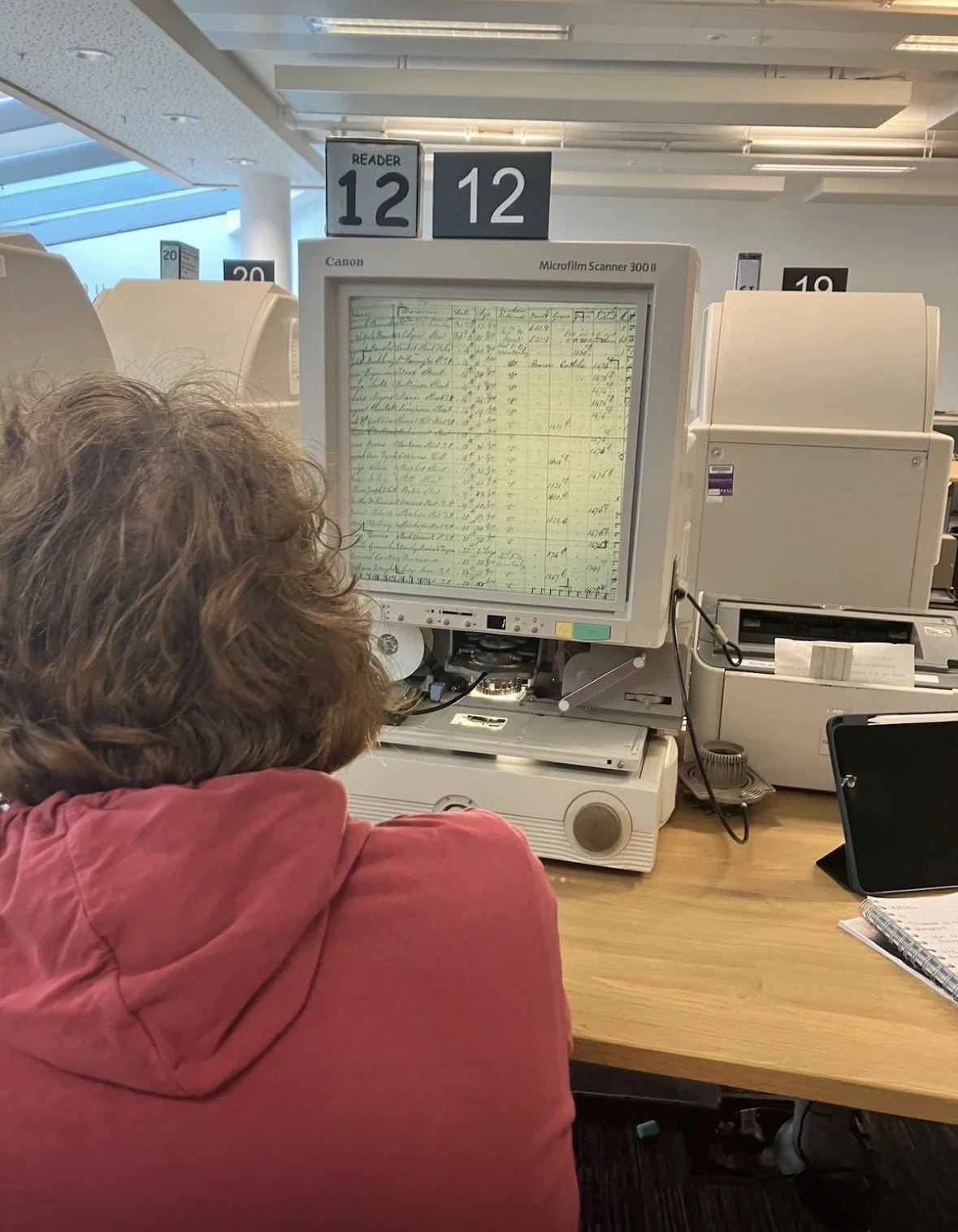
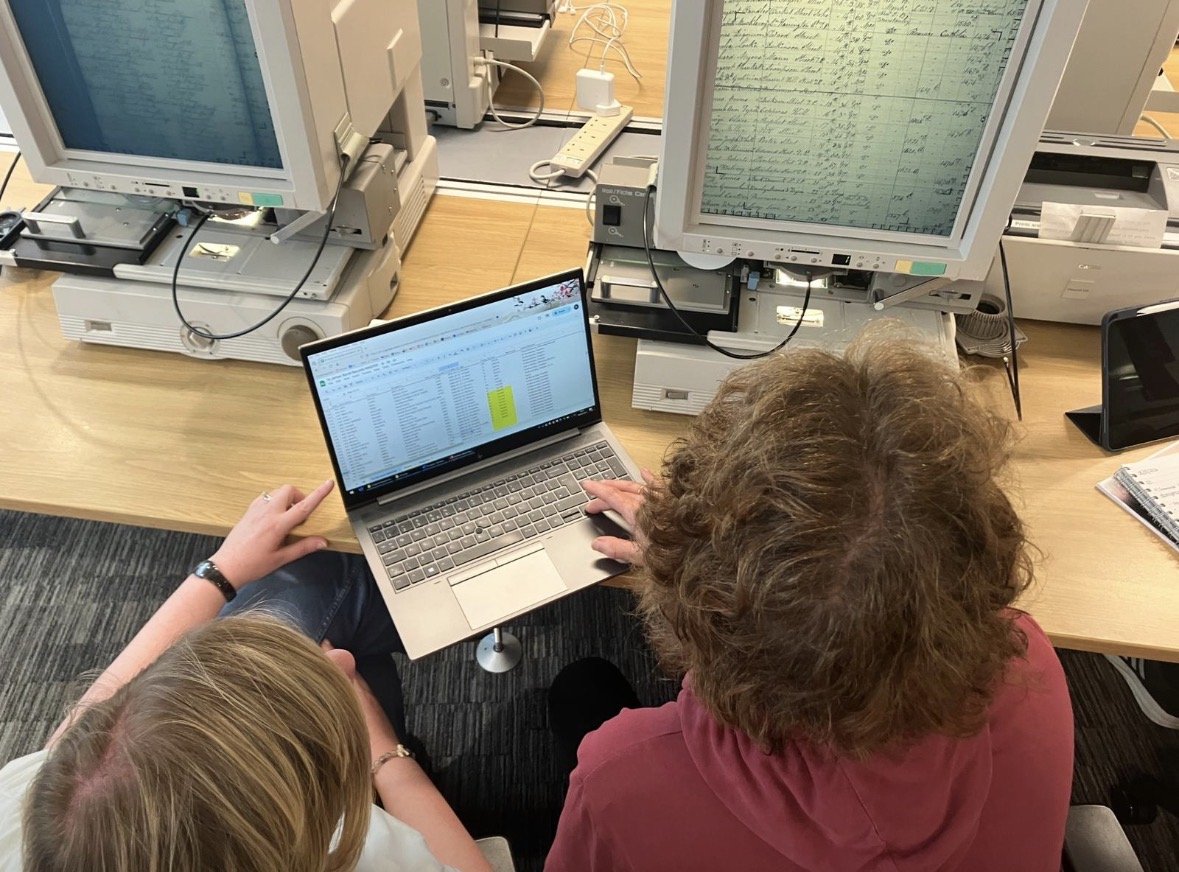
For Shiverpool, professional development means remaining curious. Working with fellow Trustee Dr Anna Fairley Nielsson, Volunteers and Friends of St James’ Cemetery we are able to access, understand and interpret the data specific to St James’ Cemetery which deepens our knowledge and elevates Shiverpool’s storytelling.
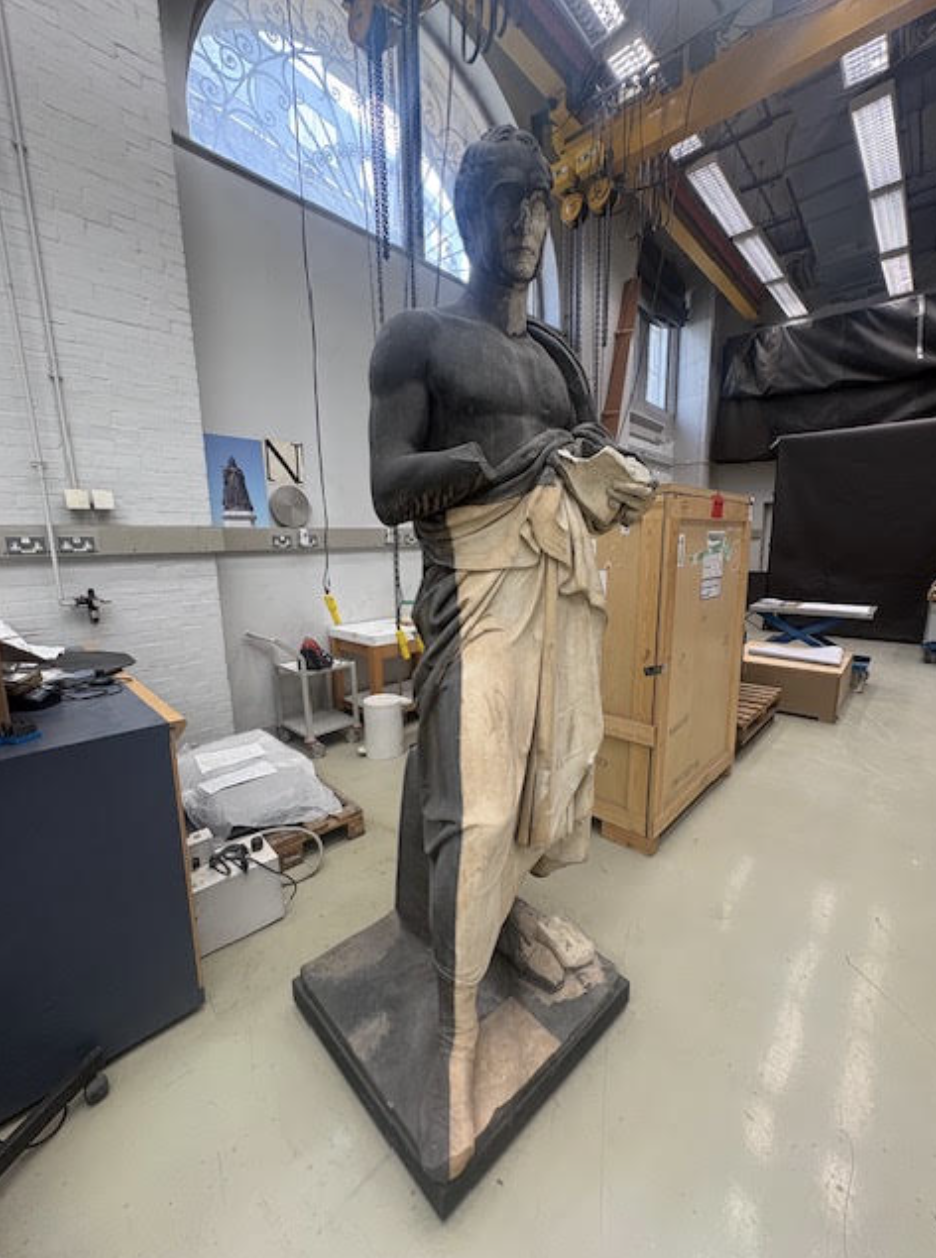
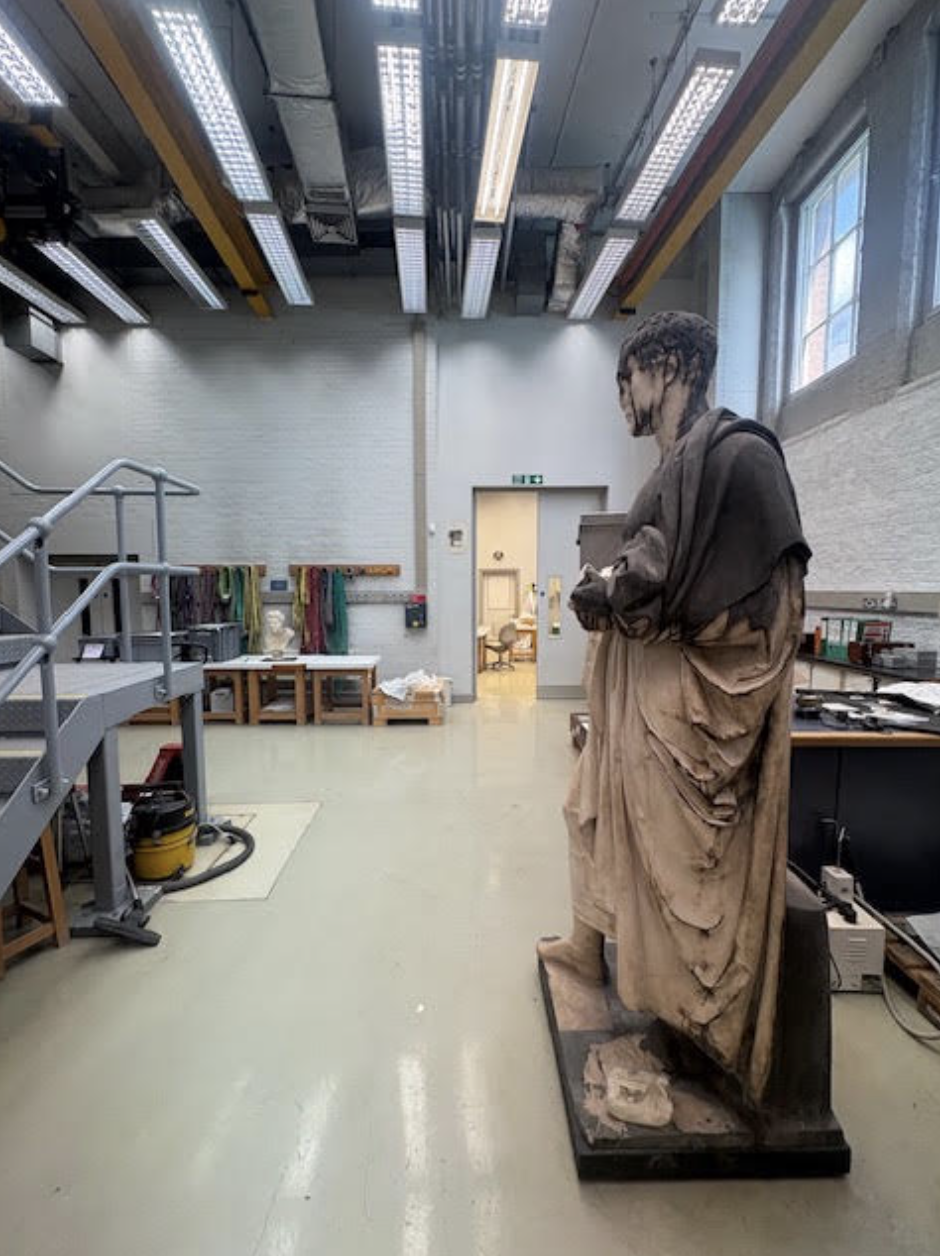
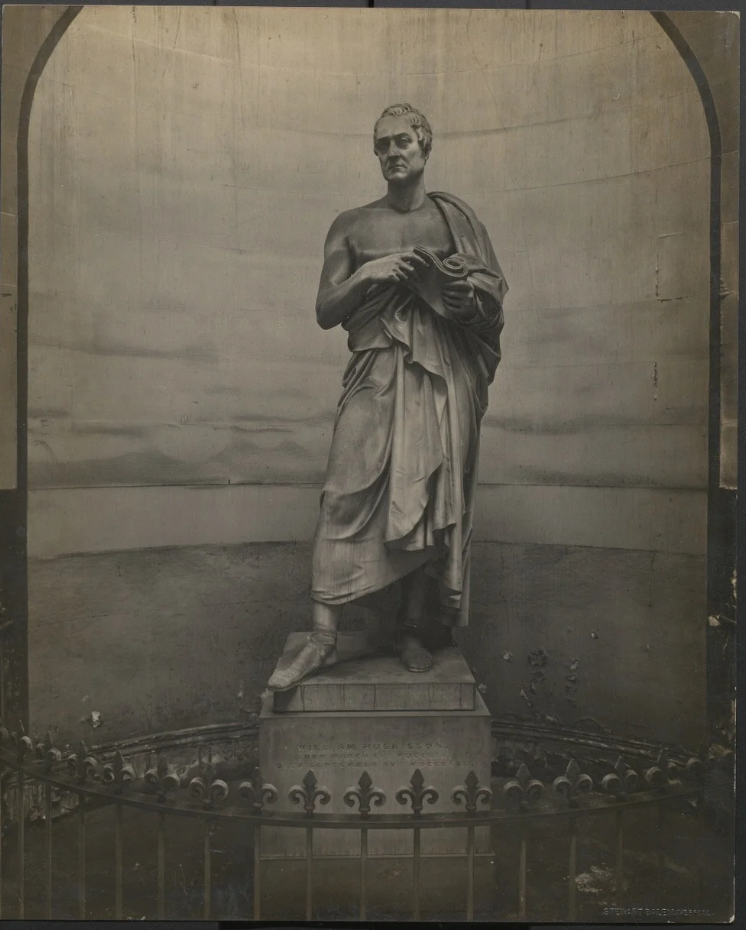
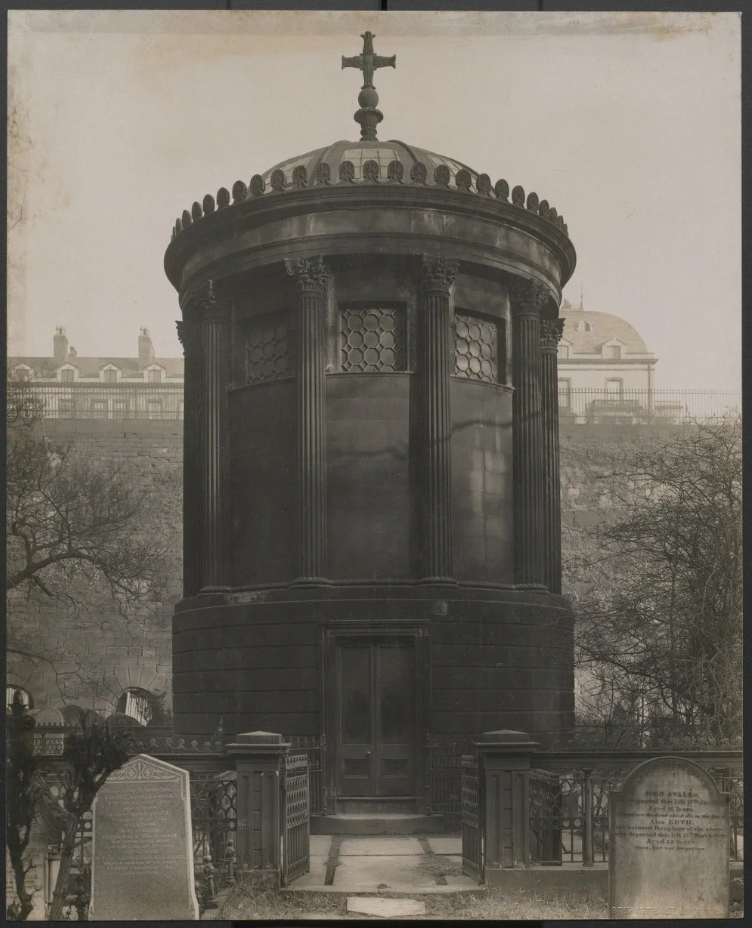
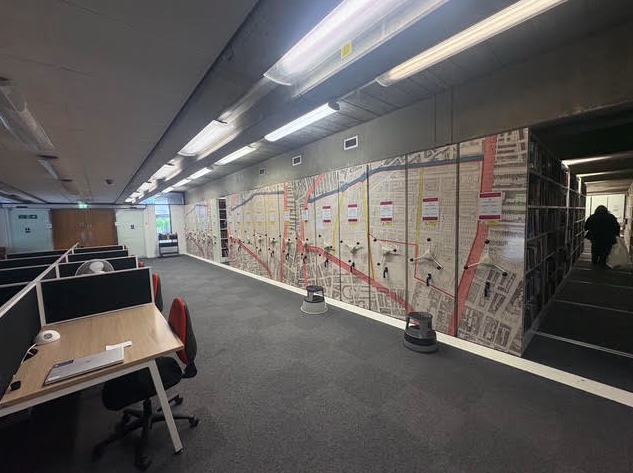
With thanks to Sandra Penketh and Lottie Barnden at National Museums Liverpool for providing access to view the original Huskisson sculpture, and to University of Liverpool Special Collections & Archives for granting permission to reproduce the photographs above.
So, whether it is a cemetery walk at Flaybrick, a specialist tour at Highgate, a conference at the Museum of Liverpool or a conversation with another Friends group, every visit adds something: a new idea, a stronger connection, a different perspective or a deeper understanding.
That knowledge comes back to Liverpool, helping the Shiverpool team continue developing its heritage work while contributing to the care, interpretation and future of St James’ Garden.
